
Suxiao Jiuxin Wan Searches Surge 200%, Doctors Warn: Not a Cure-All
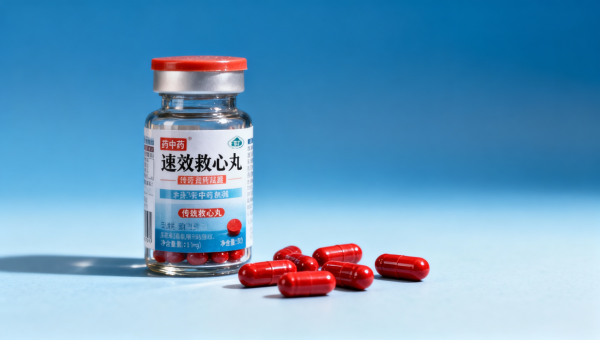
In recent weeks, global searches for the traditional Chinese medicine Suxiao Jiuxin Wan have spiked by 200%, driven by viral social media claims about its emergency cardiovascular benefits. This surge, concentrated in Southeast Asia, the Middle East, and Latin America, has prompted regulatory scrutiny in multiple countries as the product lacks OTC drug approval in most markets. The incident highlights critical challenges for herbal medicine exporters and regulators alike.
Event Overview
As of April 2026, Suxiao Jiuxin Wan has seen unprecedented search volume growth internationally despite lacking classification as an approved cardiovascular emergency drug by major regulators including China's NMPA and the U.S. FDA. Currently registered only as dietary supplements or traditional herbs in some countries, the product now faces reevaluation of its classification standards—with Vietnam initiating special assessments and Saudi Arabia's SFDA mandating additional safety disclosures.
Impact on Key Sectors
Export Manufacturers
Companies face immediate compliance risks as registration categories (supplements vs. drugs) directly determine labeling requirements and permitted claims. Mismatches could trigger customs seizures.
Raw Material Suppliers
Increased scrutiny may delay active ingredient approvals, particularly for danshen and borneol—key components now under Vietnam's reassessment.
Distribution Channels
E-commerce platforms and physical retailers must verify product registrations to avoid penalties for selling unapproved drugs disguised as supplements.
Critical Action Points
Monitor Regulatory Shifts
Track updates from Vietnam's assessment (expected Q3 2026) and Saudi SFDA's new labeling rules (effective August 2026).
Audit Product Classifications
Reconfirm registration status in target markets—especially where social media-driven demand emerges unexpectedly.
Prepare Documentation
Compile clinical safety data proactively, as seen with Saudi Arabia's new requirements for traditional medicine imports.
Industry Perspective
This event signals growing tension between consumer-driven herbal product demand and regulatory frameworks. While not yet resulting in widespread bans, the coordinated responses from multiple regulators suggest a trend toward stricter enforcement for traditional medicine claims. Exporters should interpret this as a warning to align marketing with actual registration status.
Conclusion
The Suxiao Jiuxin Wan surge underscores the need for precise compliance in cross-border herbal trade. Rather than reacting to viral trends, businesses should focus on documented registration pathways and anticipate tighter claims regulation globally.
Sources
- China NMPA drug registration database (accessed April 2026)
- Saudi SFDA circular No. 2026-HERB-014
- Vietnam Ministry of Health notice (pending full publication)
Related Intelligence
- Natural IngredientsBrazil Accelerates B20 Biodiesel Testing, Opening Export Window for Vegetable Oil-Based ChemicalsBrazil accelerates B20 biodiesel testing, cutting evaluation time to 4 months. This move boosts demand for vegetable oil-based chemicals like FAME and glycerol, creating export opportunities for producers. Stay ahead with key insights on policy impacts and market readiness.
- Natural IngredientsChina's New Cancer Prevention Guidelines Boost Global Health Tech ExportsChina's 2026 Cancer Prevention Guidelines boost global demand for health tech exports, including home screening devices and precision nutrition. Explore new opportunities for diagnostic equipment, nutraceuticals, and insurance services.
- Natural IngredientsXixia County Launches TCM Nursing Training, Boosting Standardized Global ExpansionXixia County launches TCM nursing training to boost standardized global expansion, focusing on auricular acupoint, scraping & moxibustion therapies aligned with ISO/TC 249. Malaysia & UAE already accept compliant products.
The Morning Broadsheet
Daily chemical briefings, market shifts, and peer-reviewed summaries delivered to your terminal.
