

The Authority in Global Agricultural Chemistry & Bio-Resources
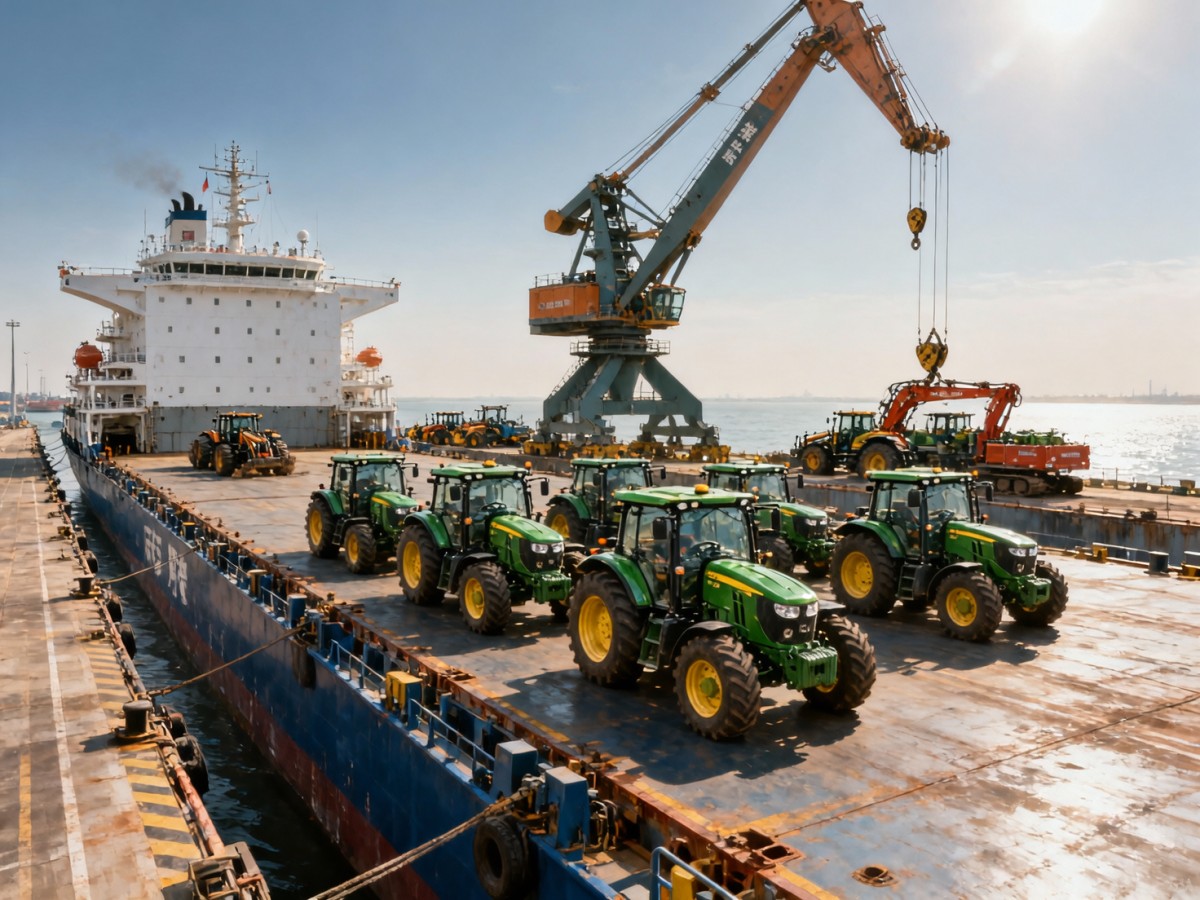
Tianjin Port Q2 Agricultural Machinery Export Space Remains Tight, Ro-Ro Freight Rates Rise 18% from April, Southeast Asia Order Lead Times Extend to 9–11 Weeks

Tianjin Port Q2 Agricultural Machinery Export Space Remains Tight, Ro-Ro Freight Rates Rise 18% from April, Southeast Asia Order Lead Times Extend to 9–11 Weeks
Introduction
As of April 2026, Tianjin Port is experiencing a surge in agricultural machinery exports due to peak spring farming demand and bulk purchases from Indonesia and the Philippines. The booking rate for export space has reached 98%, prompting an 18% increase in roll-on/roll-off (Ro-Ro) shipping rates effective April 1. Lead times for tractors and seeders have extended from 6 weeks to 9–11 weeks, with some clients diverting shipments to Qingdao Port, where space is also tightening. This development is critical for agricultural machinery manufacturers, exporters, and logistics providers, as it signals supply chain bottlenecks and potential cost escalations.
Event Overview
Confirmed facts as of April 2026:
- Tianjin Port's Q2 agricultural machinery export space is nearly fully booked (98%).
- Ro-Ro freight rates increased by 18% starting April 1, 2026.
- Average delivery lead times for tractors and seeders have extended to 9–11 weeks, up from 6 weeks.
- Some exporters are shifting to Qingdao Port, but space constraints persist.
Impact on Key Industries
Agricultural Machinery Manufacturers
Manufacturers face delayed order fulfillment due to extended lead times, potentially straining relationships with overseas buyers. The freight rate hike may also squeeze profit margins unless costs are passed on to customers.
Exporters and Trading Companies
Exporters must navigate higher shipping costs and limited vessel space, which could delay revenue recognition. Diversifying ports (e.g., Qingdao) may offer temporary relief but requires logistical adjustments.
Logistics and Shipping Providers
Ro-Ro operators benefit from higher rates but must manage capacity constraints. The shift to Qingdao Port indicates potential for regional port competition.
Farmers in Southeast Asia
Delays in machinery deliveries could disrupt planting schedules in Indonesia and the Philippines, where demand is driven by seasonal agricultural cycles.
Key Considerations and Recommended Actions
Monitor Port Diversification Trends
Exporters should assess alternative ports like Qingdao but anticipate similar space shortages. Early bookings and flexible scheduling are advisable.
Review Pricing Strategies
Manufacturers and exporters may need to renegotiate contracts to account for higher freight costs, especially for long-term agreements.
Strengthen Supplier and Buyer Communication
Proactively update international buyers on delays to manage expectations and mitigate contractual risks.
Explore Multimodal Transport Options
Combining Ro-Ro with container shipping or rail could alleviate bottlenecks, though cost and feasibility vary by destination.
Editor’s Observation
This situation reflects broader supply chain pressures in agricultural machinery trade, exacerbated by seasonal demand and concentrated procurement from Southeast Asia. While the freight rate hike and space shortages are immediate challenges, they also highlight the need for diversified logistics strategies. The industry should watch for:
- Potential rate adjustments by competing ports.
- Shifts in buyer behavior (e.g., earlier orders or local sourcing).
- Policy responses from trade agencies to ease congestion.
Conclusion
The current constraints at Tianjin Port underscore the volatility in agricultural machinery exports, driven by seasonal and regional demand spikes. Stakeholders should treat this as a signal to reassess logistics resilience, pricing models, and client communication protocols. While the situation is acute, it also presents opportunities to optimize supply chains for future peaks.
Source Information
Primary source: Tianjin Port Authority shipping data and freight rate bulletins (April 2026). Ongoing monitoring is recommended for updates on port capacity and rate fluctuations.
Related Intelligence
- Heavy Agri MachineryEvaluating Farm Equipment Distributors: Parts Availability and Service CoverageCompare farm equipment distributors on critical parts availability, service coverage, and repair response. Learn what to verify before buying to reduce costly downtime.
- Heavy Agri MachineryHow Does Market Forecasting Help Plan Farm Machinery Procurement?How does market forecasting help agri procurement planning? Discover how to time machinery purchases, protect cash flow, and reduce delivery risks before critical farm deadlines.
- Heavy Agri MachineryIs It Safe to Source Farm Machinery from Emerging Markets?Is it safe to source agri machinery from emerging markets? Discover how to verify suppliers, check compliance, and secure parts support to protect your farm and avoid costly buying mistakes.
The Morning Broadsheet
Daily chemical briefings, market shifts, and peer-reviewed summaries delivered to your terminal.
