

The Authority in Global Agricultural Chemistry & Bio-Resources
China's 2026 Spring Farming Inputs Crackdown: Key Impacts on Agrochemical Exporters and Compliance Strategies
China's 2026 Spring Farming Inputs Crackdown: Key Impacts on Agrochemical Exporters and Compliance Strategies
Introduction
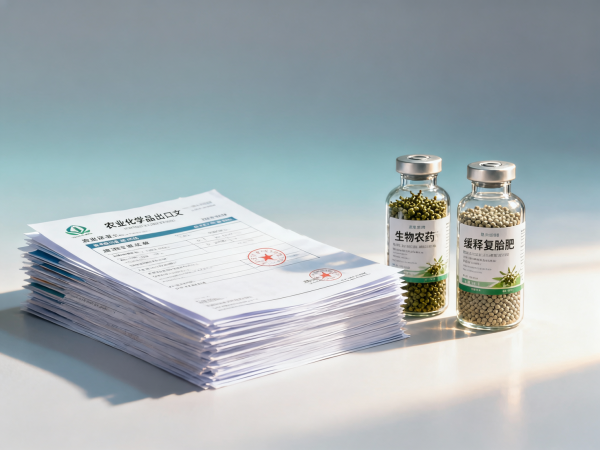
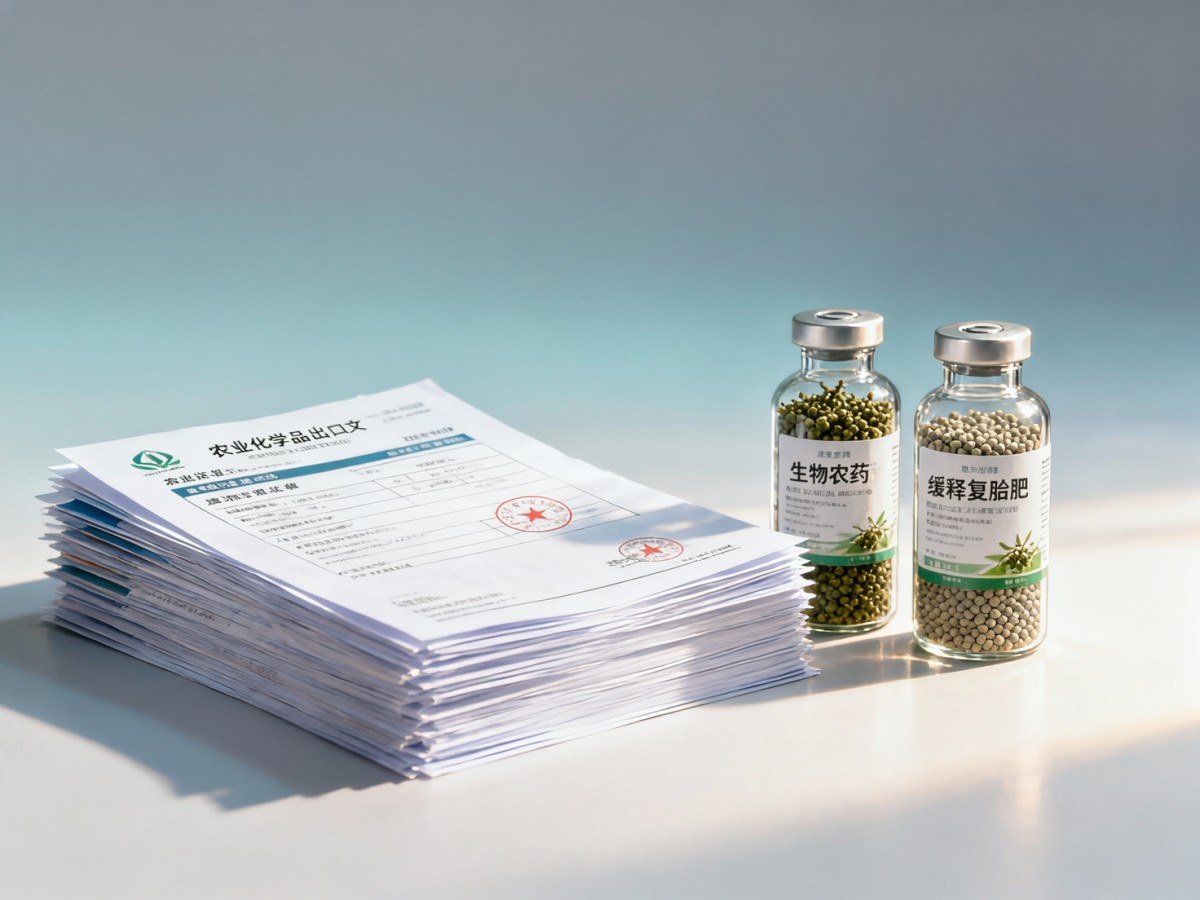
On March 23, 2026, China's Ministry of Agriculture and Rural Affairs (MARA) jointly launched a nationwide campaign with six other departments to tighten quality control over agricultural inputs for spring farming, particularly focusing on exported seed coatings, biopesticides, and slow-release compound fertilizers. This cross-departmental action signals heightened regulatory scrutiny for agrochemical exporters, compliance-sensitive manufacturers, and international trading firms, as authorities aim to address long-standing issues of false labeling and ingredient misrepresentation in outbound shipments.
Event Overview
The inter-ministerial video conference explicitly identified three high-risk categories for enhanced inspection: 1) seed coating agents for export, 2) biological pesticides, and 3) controlled-release compound fertilizers. Regulatory measures will specifically target: • Fraudulent ingredient labeling • Misuse of registration certificates • Fabricated overseas certification data. While the campaign primarily aims to improve China's agricultural export credibility, immediate operational impacts include extended customs clearance times for small-to-medium exporters during the spring planting season.
Impact Analysis by Sector
Agrochemical Exporters
Export-oriented manufacturers of the three targeted product categories face immediate documentation audits and potential shipment delays. Analysis shows compliance costs may increase by 15-20% for SMEs needing to reformulate product documentation.
International Procurement Departments
Global agricultural buyers sourcing from China should anticipate stricter certificate verification processes. Procurement teams are advised to request updated compliance documentation from Chinese suppliers starting Q2 2026.
Supply Chain Service Providers
Third-party inspection companies and logistics providers handling agrochemical exports may experience workflow disruptions during the initial implementation phase (March-June 2026).
Actionable Recommendations
Priority Compliance Checks
Exporters should immediately audit: 1) Active ingredient declarations 2) Registration certificate validity 3) Foreign market authorization documents (where applicable).
Supply Chain Buffer Planning
International buyers are recommended to build 10-15 day inventory buffers for affected products and diversify inspection-certified suppliers.
Regulatory Tracking System
Establish real-time monitoring of MARA's updated non-compliant enterprise lists (expected biweekly updates during the campaign).
Industry Perspective
This crackdown represents a strategic shift from domestic-focused quality control to export market reputation management. Observers note the targeted products correlate with China's $3.8B annual agrochemical exports to Belt and Road countries. While short-term disruptions are inevitable, the move could accelerate industry consolidation favoring compliant enterprises with robust documentation systems.
Conclusion
The 2026 campaign marks a transitional phase in China's agricultural export governance, prioritizing long-term market access over short-term transactional flexibility. Export stakeholders should interpret this not as temporary enforcement but as a foundational policy shift requiring structural compliance upgrades.
Information Sources
• MARA official announcement (March 23, 2026) • Joint policy document by seven ministries • Industry verification pending: Exact implementation timelines for regional customs offices
Related Intelligence
- AgrochemicalsUSDA Announces Over $500 Million for Eight Fertilizer Production ProjectsUSDA announces over $500 million for eight fertilizer production projects. Explore how expanded domestic supply could affect farm costs and agricultural supply chains.
- AgrochemicalsAgrochemicals Category Intelligence: Tracking Cost Drivers and Supply RiskExplore agrochemicals category intelligence to track cost drivers, uncover supply risks, and strengthen sourcing decisions. Learn how to negotiate smarter and secure reliable supply.
- AgrochemicalsChina’s Phosphate Fertilizer Exports Near Zero, Tightening Global SupplyChina’s phosphate fertilizer exports near zero in 2026 as sulfur shortages tighten global supply. Explore the risks for importers, prices and sourcing strategies.
The Morning Broadsheet
Daily chemical briefings, market shifts, and peer-reviewed summaries delivered to your terminal.
