

The Authority in Global Agricultural Chemistry & Bio-Resources
Guizhou Phosphate Group Launches QR Code Traceability System for Export Fertilizers, Facilitating Compliance with New Import Regulations in Latin America and Africa
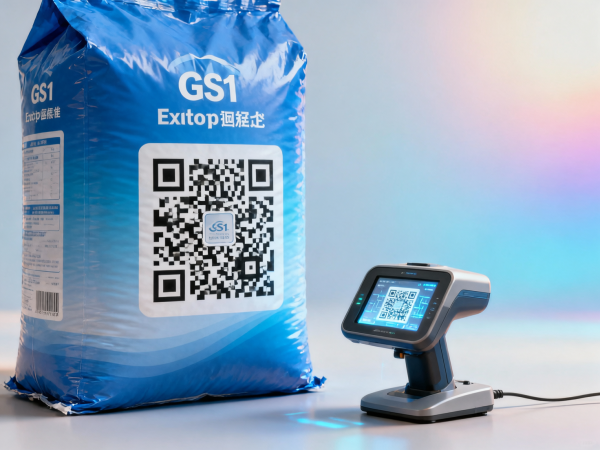
Guizhou Phosphate Group Launches QR Code Traceability System for Export Fertilizers
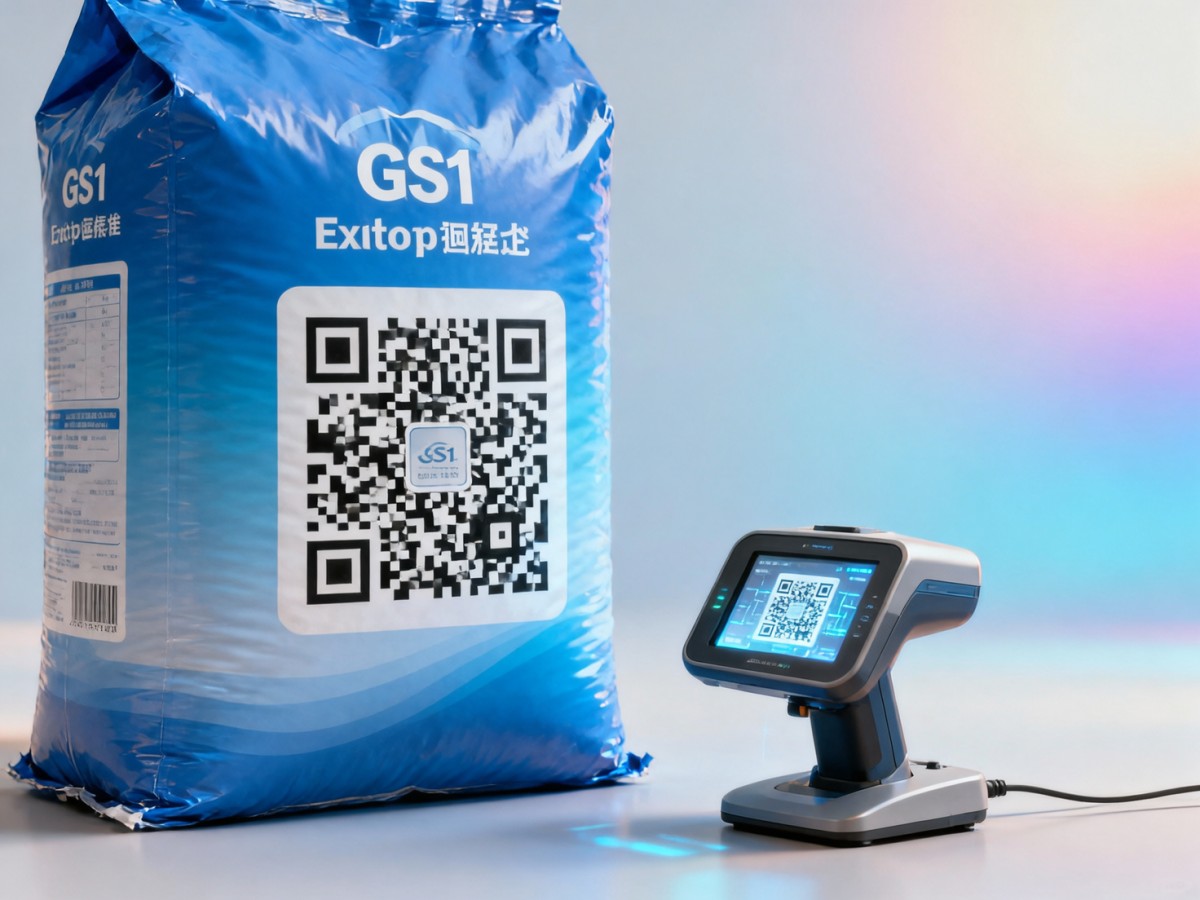
Introduction
Starting March 2026, Guizhou Phosphate Group has implemented a GS1-standard QR code system on all its exported fertilizer packaging, enabling full traceability from production to field application. This development is particularly relevant for fertilizer manufacturers, exporters, and agricultural supply chain stakeholders in Latin America and Africa, as it addresses emerging import regulations requiring comprehensive product lifecycle tracking.
Event Overview
On March 26, 2026, Guizhou Phosphate Group officially launched its QR code-based traceability system for exported fertilizers. The system allows scanning to access production batch information, heavy metal test reports, logistics tracking data, and end-user feedback. Notably, the solution has received preliminary approval from Brazil's MAPA and Kenya's KEBS, positioning it as a compliance tool for new "fertilizer lifecycle traceability" laws in these markets.
Impact on Specific Industries
Fertilizer Exporters and Manufacturers
The implementation sets a new benchmark for traceability standards in fertilizer exports. Competing manufacturers may need to accelerate their own traceability system development to maintain market competitiveness, particularly for South American and East African markets.
Agricultural Importers and Distributors
Importers in Brazil and Kenya now have a verified compliance solution for new regulatory requirements. This could influence procurement decisions, favoring suppliers with pre-approved traceability systems over those without.
Supply Chain Service Providers
Logistics and data management providers may see increased demand for integrated tracking solutions that can interface with such traceability systems throughout the distribution chain.
Key Considerations for Industry Players
Regulatory Alignment
Companies should monitor how Brazil's MAPA and Kenya's KEBS implement their traceability requirements, as these may evolve into de facto standards for other markets.
Technology Investment
The GS1-standard QR approach suggests that interoperability with global supply chain systems is becoming crucial for agricultural inputs.
Market Prioritization
Export-focused businesses may need to reassess which markets are most likely to adopt similar regulations next, with other African and Latin American countries being probable candidates.
Editor's Perspective
From an industry viewpoint, this development signals a shift toward mandatory digital traceability in agricultural inputs. While currently focused on specific markets, the trend appears likely to expand. The system's inclusion of end-user feedback is particularly noteworthy, suggesting a potential future where product quality claims require verifiable field data.
Conclusion
Guizhou Phosphate Group's traceability initiative represents more than a single company's compliance measure—it reflects broader industry movement toward transparent, data-driven agricultural supply chains. For now, businesses should view this as both a compliance benchmark and a market differentiator, while preparing for possible wider adoption of similar standards.
Source Information
Primary source: Official announcement by Guizhou Phosphate Group on March 26, 2026. Note: The long-term impact on trade patterns and potential adoption by other markets remains to be observed.
Related Intelligence
- AgrochemicalsUSDA Announces Over $500 Million for Eight Fertilizer Production ProjectsUSDA announces over $500 million for eight fertilizer production projects. Explore how expanded domestic supply could affect farm costs and agricultural supply chains.
- AgrochemicalsAgrochemicals Category Intelligence: Tracking Cost Drivers and Supply RiskExplore agrochemicals category intelligence to track cost drivers, uncover supply risks, and strengthen sourcing decisions. Learn how to negotiate smarter and secure reliable supply.
- AgrochemicalsChina’s Phosphate Fertilizer Exports Near Zero, Tightening Global SupplyChina’s phosphate fertilizer exports near zero in 2026 as sulfur shortages tighten global supply. Explore the risks for importers, prices and sourcing strategies.
The Morning Broadsheet
Daily chemical briefings, market shifts, and peer-reviewed summaries delivered to your terminal.
