

The Authority in Global Agricultural Chemistry & Bio-Resources
Hainan Introduces Green Cultivation Technique for Yardlong Beans, Boosting Yield by 18% and Cutting Pesticide Use by 35% – Vietnam and Cambodia Express Procurement Interest
Hainan Introduces Green Cultivation Technique for Yardlong Beans, Boosting Yield by 18% and Cutting Pesticide Use by 35% – Vietnam and Cambodia Express Procurement Interest
Introduction
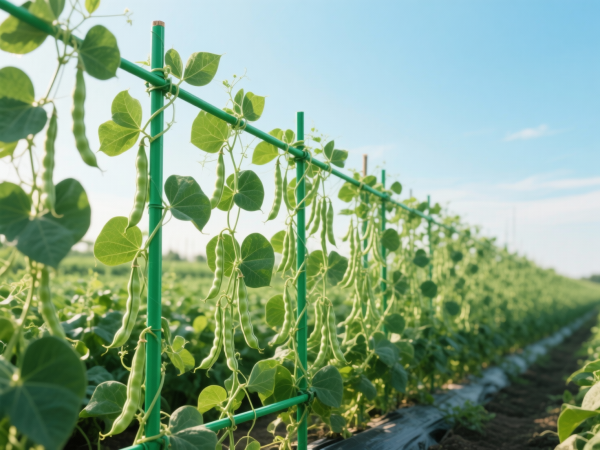
On March 27, 2026, the Hainan Comprehensive Test Station of the National Bulk Vegetable Industry Technology System demonstrated a new green cultivation technique for yardlong beans in Dongshan Town, Haikou. This method, which optimizes ventilation, light exposure, and pest control, has increased yield by 18% while reducing chemical pesticide use by 35%. The innovation has already attracted procurement interest from Vietnam and Cambodia, with plans to pilot the technology across 500 acres. This development is particularly relevant for agricultural producers, exporters, and supply chain stakeholders in the vegetable industry, as it signals a shift toward sustainable and high-yield farming practices.
Event Overview
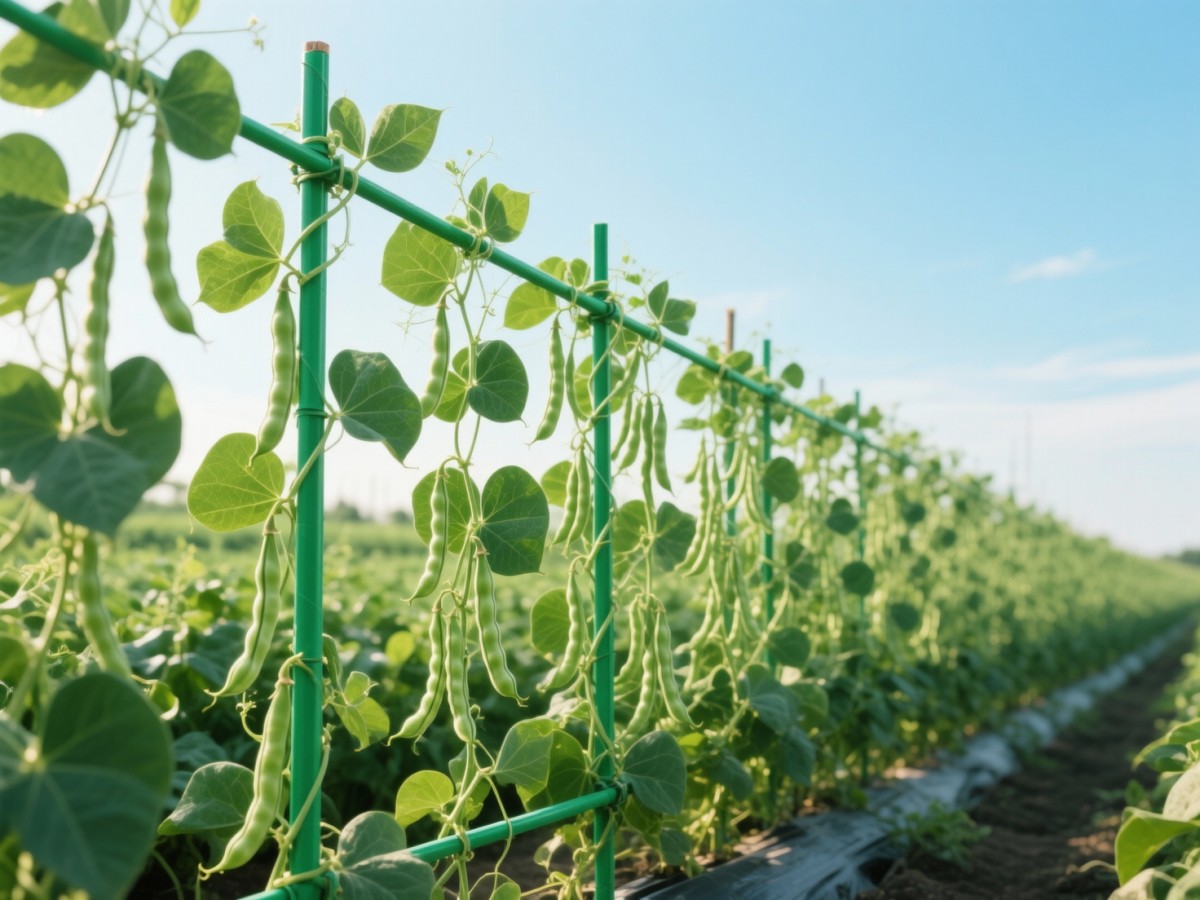
The demonstration showcased the single-row trellis green cultivation technique for yardlong beans, developed by the Hainan Comprehensive Test Station. Key outcomes include an 18% increase in per-acre yield and a 35% reduction in chemical pesticide usage. Representatives from the Vietnamese Academy of Agricultural Sciences and Cambodia’s Ministry of Agriculture attended the event and expressed interest in adopting the technology, with an initial pilot of 500 acres planned. The technique’s success lies in its improved airflow, light distribution, and streamlined pest management.
Impact on Sub-Sectors
Agricultural Producers
Farmers growing yardlong beans stand to benefit significantly from this innovation. The higher yield and reduced pesticide use not only lower production costs but also align with global demand for sustainable farming. Producers in regions with similar climates, such as Southeast Asia, may find this technique particularly adaptable.
Exporters and Trade Enterprises
Exporters dealing in agricultural products should monitor this development closely. The interest from Vietnam and Cambodia suggests potential new markets for the technology and its outputs. Companies involved in cross-border agricultural trade could explore partnerships to facilitate technology transfer or product distribution.
Supply Chain and Equipment Providers
Suppliers of trellis systems and related farming equipment may see increased demand as the technique gains traction. Businesses in this space should prepare to scale production or adapt their offerings to meet the specific requirements of this cultivation method.
Key Considerations for Stakeholders
Monitor Official Updates
Agricultural enterprises should stay informed about any official guidelines or policy changes related to this technology. Government endorsements or subsidies could accelerate adoption.
Assess Market Readiness
Before investing in large-scale implementation, businesses should evaluate the suitability of the technique for local conditions. Pilot programs and feasibility studies are advisable.
Engage with Early Adopters
Collaborating with Vietnamese and Cambodian partners could provide valuable insights into the practical challenges and opportunities of this method. Early engagement may also open doors for technology licensing or joint ventures.
Editor’s Perspective
From an industry standpoint, this development is more than a local success story—it’s a signal of growing global interest in sustainable agricultural practices. While the technology’s benefits are clear, its widespread adoption will depend on factors like cost, scalability, and regional adaptability. Stakeholders should view this as an opportunity to align with broader trends toward eco-friendly and efficient farming.
Conclusion
The introduction of Hainan’s single-row trellis green cultivation technique marks a significant step forward for sustainable agriculture. With proven yield increases and pesticide reductions, coupled with international interest, this innovation has the potential to reshape practices in the yardlong bean sector. For now, industry players should approach this as a promising development worth monitoring and exploring for strategic advantages.
Source Information
Primary source: Demonstration event by the Hainan Comprehensive Test Station of the National Bulk Vegetable Industry Technology System, March 27, 2026. Additional details from statements by Vietnamese and Cambodian representatives. Ongoing developments in technology adoption will require further observation.
Related Intelligence
- AgrochemicalsUSDA Announces Over $500 Million for Eight Fertilizer Production ProjectsUSDA announces over $500 million for eight fertilizer production projects. Explore how expanded domestic supply could affect farm costs and agricultural supply chains.
- AgrochemicalsAgrochemicals Category Intelligence: Tracking Cost Drivers and Supply RiskExplore agrochemicals category intelligence to track cost drivers, uncover supply risks, and strengthen sourcing decisions. Learn how to negotiate smarter and secure reliable supply.
- AgrochemicalsChina’s Phosphate Fertilizer Exports Near Zero, Tightening Global SupplyChina’s phosphate fertilizer exports near zero in 2026 as sulfur shortages tighten global supply. Explore the risks for importers, prices and sourcing strategies.
The Morning Broadsheet
Daily chemical briefings, market shifts, and peer-reviewed summaries delivered to your terminal.
