

The Authority in Global Agricultural Chemistry & Bio-Resources
Seven Ministries Launch 2026 Spring Farming Inputs Crackdown, Targeting Export Seed, Pesticide, and Fertilizer Fraud
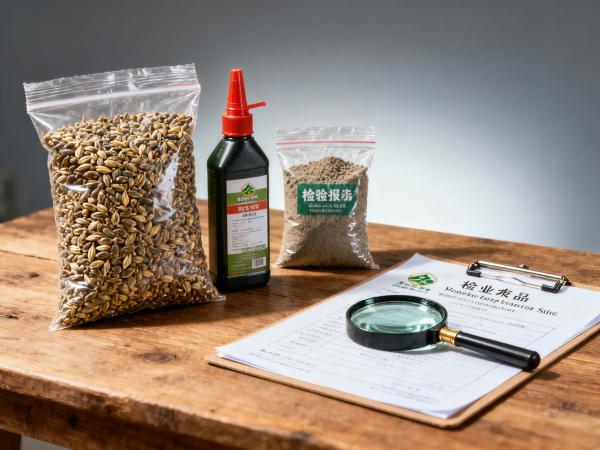
Seven Ministries Launch 2026 Spring Farming Inputs Crackdown, Targeting Export Seed, Pesticide, and Fertilizer Fraud
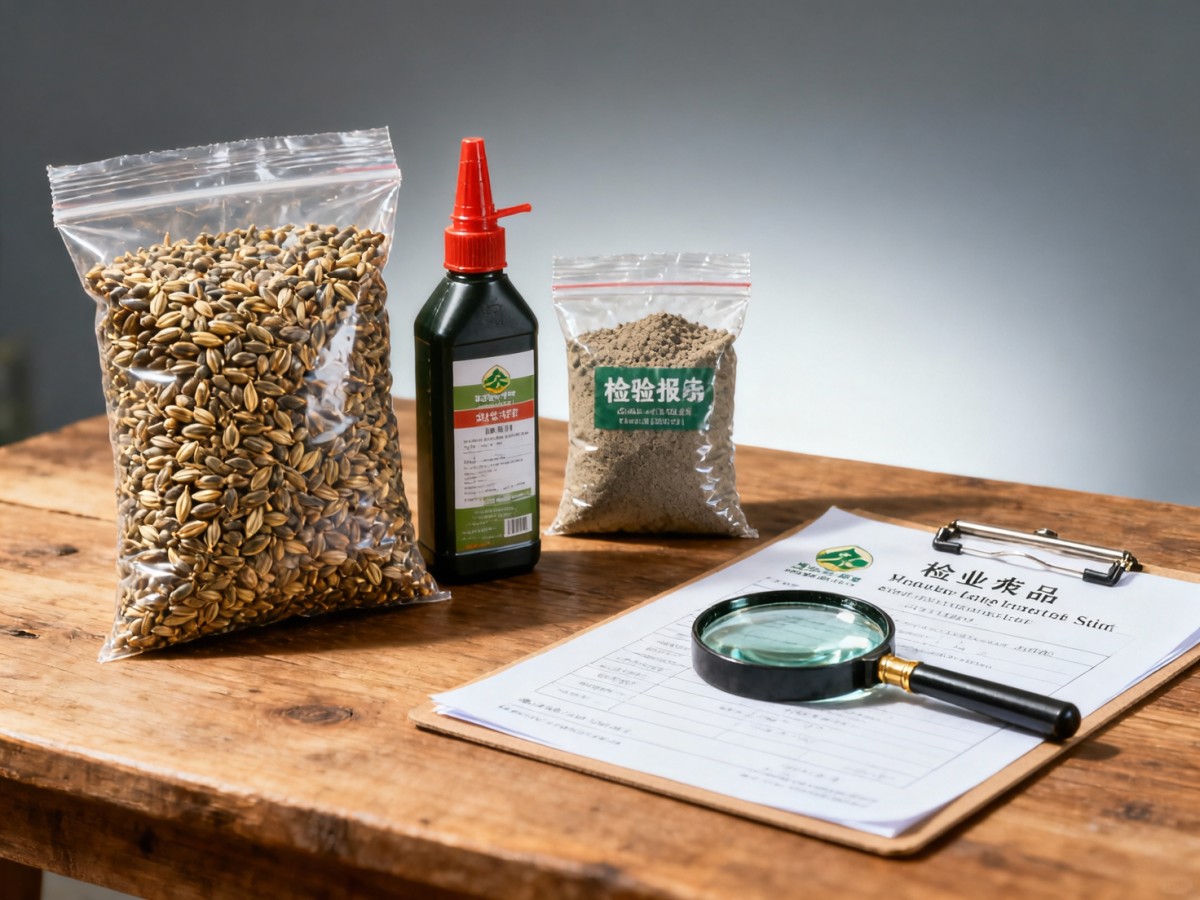
Introduction
On March 23, 2026, China's Ministry of Agriculture and Rural Affairs (MARA) jointly with six other ministries including the General Administration of Customs and the State Administration for Market Regulation initiated a specialized campaign to combat counterfeit agricultural inputs during the spring farming season. Notably, this year's crackdown for the first time explicitly includes export-oriented agricultural materials as key supervision targets, focusing on fraudulent labeling and ingredient misrepresentation in seeds, pesticides, and fertilizers. Industries involved in agricultural input production, export trade, and cross-border supply chains should closely monitor this development, as non-compliance may lead to suspended export qualifications and international notifications.
Event Overview
The inter-ministerial video conference on March 23 outlined three priority inspection areas for export agricultural inputs: 1) Seed variety authenticity verification, 2) Pesticides with active ingredient deviations exceeding 5%, and 3) Fertilizers with exaggerated nutrient content labels. Violating enterprises will face export license suspension and may be reported to importing countries' authorities. The campaign reflects tightened quality control amid growing international scrutiny over China's agricultural exports.
Impact on Sub-sectors
Agricultural Input Exporters
Companies exporting seeds, pesticides, or fertilizers must immediately verify product documentation accuracy. From an industry perspective, the 5% active ingredient tolerance for pesticides is stricter than many international standards, potentially requiring reformulation for compliance.
OEM Manufacturers
Contract producers serving export markets should anticipate increased batch testing requirements, particularly for customized formulations destined for different climate zones. Current compliance costs may rise by 15-20% for small-medium manufacturers.
Supply Chain Service Providers
Third-party logistics and testing agencies should prepare for enhanced traceability demands. The focus on export products suggests authorities will scrutinize cross-border documentation consistency across phytosanitary certificates, labels, and actual compositions.
Key Action Points
Prioritize Label Compliance Audits
Conduct gap analyses against target markets' regulations, especially for Southeast Asia and Africa where 60% of China's agricultural inputs are exported. Discrepancies between Chinese and imported country labeling standards often trigger violations.
Strengthen Pre-shipment Testing
Implement mandatory batch testing for active ingredients and nutrient content, with particular attention to pesticides containing abamectin, glyphosate, and chlorpyrifos—compounds frequently flagged in past inspections.
Monitor Export License Status
Regularly check the MARA's Export Agricultural Inputs Registration Platform for policy updates. Temporary license suspensions could disrupt entire shipping schedules during peak spring export seasons.
Engage Import Country Partners
Proactively communicate with overseas distributors about certification updates to prevent customs clearance delays. Analysis suggests importers increasingly request Chinese suppliers' testing methodology documentation beyond standard certificates.
Industry Observation
This campaign signals a strategic shift toward aligning China's agricultural export standards with global expectations. Rather than a routine seasonal action, it appears designed to address longstanding complaints about ingredient inconsistencies—a major barrier to premium market access. The timing ahead of the spring planting season suggests immediate enforcement, but the broader impact will depend on whether this becomes a sustained export quality management mechanism. From an industry standpoint, companies treating this as a one-off compliance exercise may face recurring challenges, while those viewing it as a mandatory quality upgrade opportunity could gain long-term export advantages.
Conclusion
The 2026 inter-ministerial agricultural inputs crackdown represents a significant policy escalation, particularly through its export-focused measures and international notification mechanisms. While ensuring short-term compliance is critical, businesses should interpret this development as part of China's broader agricultural trade standardization efforts. The current priority should be verifying existing product portfolios against the announced inspection criteria while establishing ongoing monitoring systems for future regulatory updates.
Information Sources
1. Official release from China's Ministry of Agriculture and Rural Affairs (March 23, 2026)
2. Joint statement by seven participating ministries
*Note: Specific implementation rules for export license suspensions remain pending clarification from customs authorities.
Related Intelligence
- AgrochemicalsUSDA Announces Over $500 Million for Eight Fertilizer Production ProjectsUSDA announces over $500 million for eight fertilizer production projects. Explore how expanded domestic supply could affect farm costs and agricultural supply chains.
- AgrochemicalsAgrochemicals Category Intelligence: Tracking Cost Drivers and Supply RiskExplore agrochemicals category intelligence to track cost drivers, uncover supply risks, and strengthen sourcing decisions. Learn how to negotiate smarter and secure reliable supply.
- AgrochemicalsChina’s Phosphate Fertilizer Exports Near Zero, Tightening Global SupplyChina’s phosphate fertilizer exports near zero in 2026 as sulfur shortages tighten global supply. Explore the risks for importers, prices and sourcing strategies.
The Morning Broadsheet
Daily chemical briefings, market shifts, and peer-reviewed summaries delivered to your terminal.
