

The Authority in Global Agricultural Chemistry & Bio-Resources
European Commission Pledges Simpler Aquaculture Rules and Clearer Funding Details
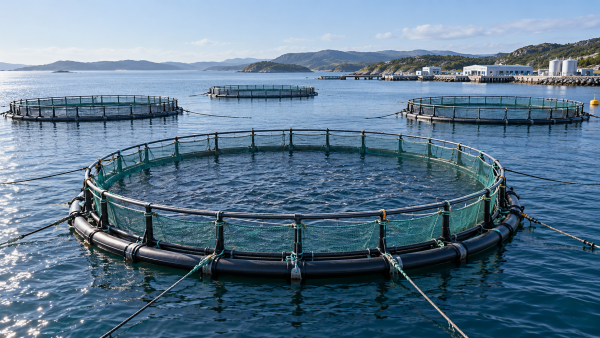
The European Commission has pledged to simplify aquaculture rules and clarify financial support following the publication of its fisheries and aquaculture “2040 Vision,” according to the supplied summary of a SeafoodSource report dated October 26, 2026. The date of the Commission’s statement is not specified. For European aquaculture producers and businesses planning purchases or investment around their output, the announcement could signal clearer compliance and financing conditions, although its practical significance depends on the details that follow.
Commission Links Rule Simplification to Its 2040 Vision
According to the supplied account, the European Commission followed the publication of its fisheries and aquaculture “2040 Vision” with a commitment to simplify rules affecting aquaculture and provide further clarity on financial support.
The stated aims are to give European aquaculture a clearer long-term policy and funding direction, support sustainable development, and reduce the industry’s compliance burden. The supplied information describes a commitment to further clarification; it does not identify specific rule amendments, funding amounts, eligibility conditions, or implementation dates.
Potential Effects Extend from Farm Planning to Supply Commitments
Producers May Gain a Clearer Basis for Investment Decisions
From an industry perspective, aquaculture operators are the most directly exposed to any eventual simplification. If subsequent measures make compliance processes clearer or reduce administrative work, producers could find it easier to assess the resources and timing needed for development plans. That remains a potential effect rather than a confirmed outcome.
Analysis suggests that the financial clarification could be equally relevant to investment decisions. Producers considering expenditure may need to understand what support is available and under which conditions before incorporating it into project budgets. The announcement alone does not establish that any particular business or project will receive funding.
Buyers and Processors Need Evidence Before Revising Supply Plans
For businesses purchasing or processing aquaculture products, the possible implications are indirect. Greater clarity for producers could eventually influence production planning and the confidence with which suppliers discuss future deliveries. However, the supplied information does not establish an increase in output, shorter lead times, or a change in prices.
As a procurement consideration, buyers could ask suppliers whether any proposed regulatory or financial changes would affect their plans, while keeping delivery assumptions tied to demonstrated capacity. A policy commitment provides limited support for changing purchase volumes or contractual schedules before its practical effects can be assessed.
Project Suppliers May Face Changes in Investment Timing
Analysis suggests that equipment suppliers and other businesses supporting aquaculture projects could also be affected if clearer funding arrangements influence when producers proceed with investment. These businesses may therefore benefit from tracking how customers interpret later announcements. Expectations of financial support should not be treated as confirmed project financing or a firm order.
Practical Checks Before Adjusting Compliance or Budgets
Identify Exactly Which Requirements May Change
As a practical recommendation, operators should look for subsequent official material defining the scope of simplification. The key question is which obligations or procedures would change, and when. Until that is established, the announcement provides no basis for assuming that a particular document, review, or compliance step can be omitted.
Separate Funding Expectations from Confirmed Eligibility
Businesses assessing investment options could prepare questions about eligibility, application requirements, support conditions, and timing. These are matters to verify, not details established by the supplied report. Financial plans would be more robust if anticipated support remained distinguishable from funding that has actually been confirmed.
Review Supplier Claims Against Published Details
For procurement teams, a useful precaution would be to check any claim that the announcement changes a supplier’s compliance position or delivery capability. The supplied information identifies no changes to certification, product documentation, or trade requirements. Any proposed adjustment in those areas would need a separate, specific basis.
Connect Later Announcements to Actual Business Decisions
As further information becomes available, companies could assess its relevance to particular investments, procurement commitments, and delivery schedules. This would help distinguish measures that materially affect a project from broader policy language. Any operational revision should reflect the scope and timing of the clarified arrangements.
A Policy Commitment Awaiting Operational Detail
At this stage, it is more appropriate to understand the announcement as a policy direction and a commitment to further explanation than as evidence of an implemented regulatory change. It identifies the Commission’s intended focus on simpler rules and clearer financial support, but the supplied account does not show how those objectives will translate into business procedures.
From an editorial perspective, the most consequential follow-up information would concern the requirements covered, the financial arrangements available, and the timetable for application. Industry feedback would also help establish whether subsequent measures reduce compliance work and make investment planning more predictable. Those outcomes remain open questions.
Planning Can Begin While Implementation Remains Uncertain
Analysis suggests that the announcement gives aquaculture businesses a reason to review the compliance and financing questions affecting their plans. Its immediate value lies in identifying areas for monitoring and preparation. Decisions about investment, purchasing, or delivery should continue to distinguish the Commission’s stated intentions from measures whose terms and practical effects have been established.
Basis of the Report and Details Still to Verify
This article is based on the user-provided news title, event-time information, and event summary, which attribute the report to SeafoodSource on October 26, 2026. The event date itself was not specified. No specific official source link was supplied, and subsequent details require continued verification.
Relevant follow-up sources would include European Commission announcements and official policy or funding documents, alongside industry reporting and feedback. Further observation should focus on the scope of rule simplification, financial support conditions, implementation timing, and companies’ experience of any resulting changes. The business implications discussed above are analysis and recommendations, not confirmed implementation outcomes.
Related Intelligence
- Commercial FishingEuropean Commission Pledges Simpler Aquaculture Rules and Clearer Funding DetailsEuropean Commission pledges simpler aquaculture rules and clearer funding guidance. Explore what the 2040 Vision could mean for compliance, investment and business planning.
- Commercial FishingU.S. Advances America First Seafood Strategy With Focus on Fishermen’s InterestsExplore NOAA’s America First Seafood Strategy and proposed U.S.-Caught Seafood label, highlighting fishermen’s interests and what seafood buyers and suppliers should watch next.
- Commercial FishingAustralis Secures Vietnam Leases for 30,000-Tonne Barramundi Hub, Opens Processing PlantAustralis secures 16 Vietnam marine leases for a 30,000-tonne barramundi hub and opens its Blue Loop processing plant. Explore the potential impact on seafood sourcing.
The Morning Broadsheet
Daily chemical briefings, market shifts, and peer-reviewed summaries delivered to your terminal.