

The Authority in Global Agricultural Chemistry & Bio-Resources
Liangzhilong 2026 Food Ingredients Exhibition Opens, Intelligent Packaging Lines for Prepared Dishes Become Hotspot in Southeast Asia Procurement, Chinese Equipment Suppliers Reduce Order Cycle to 25 Days
Introduction
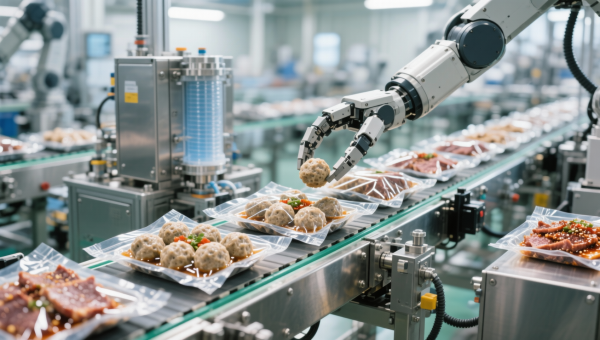
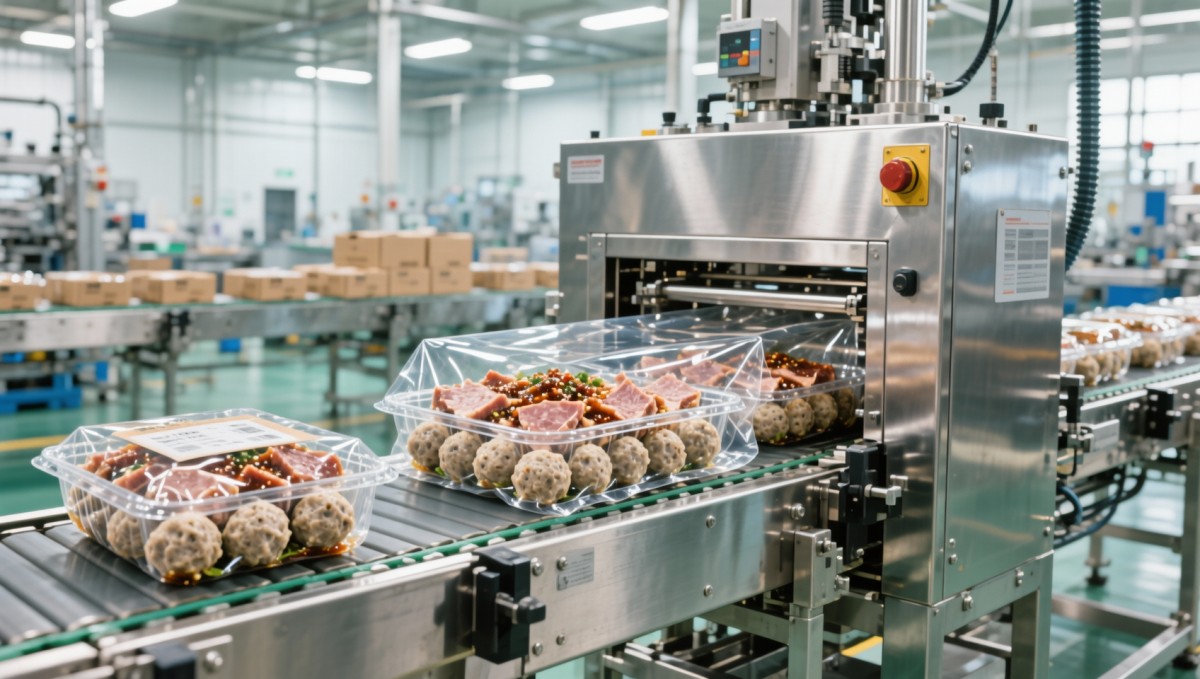
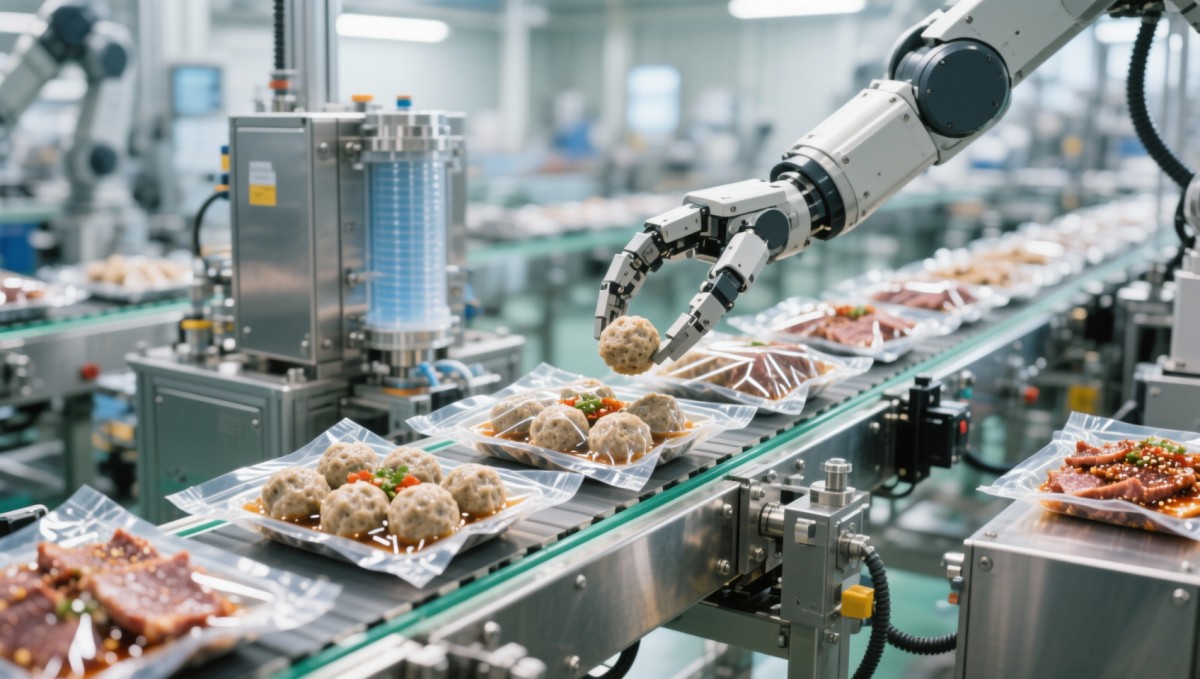
On March 28, 2026, the Liangzhilong Food Ingredients Exhibition in Chengdu showcased high-speed vacuum skin packaging lines and low-temperature nitrogen-filled sealing units tailored for prepared dishes like ready-to-eat fish balls and seasoned meat slices. These technologies emerged as focal points for procurement inquiries from Vietnam, Indonesia, and the Philippines. Chinese exhibitors revealed that their modular designs and localized debugging teams enabled an average delivery cycle of just 25 days, significantly outperforming the 45-day average of Japanese and Korean competitors. This development is particularly relevant for the food processing, packaging machinery, and international trade sectors, as it highlights shifting dynamics in global supply chain efficiency and regional market demands.
Event Overview
The 2026 Liangzhilong Exhibition in Chengdu featured advanced packaging solutions for prepared dishes, attracting significant attention from Southeast Asian buyers. Key technologies included vacuum skin packaging lines and nitrogen-filled sealing units designed for high-speed production. Chinese manufacturers reported a streamlined 25-day order-to-delivery cycle, leveraging modular systems and on-site technical support—a competitive edge over international rivals. The event underscored China's growing role in supplying cost-effective, rapid-deployment automation for emerging markets.
Impact on Sub-Sectors
1. Food Processing Equipment Manufacturers
The shortened 25-day delivery window intensifies competition among machinery providers, particularly in modular design capabilities. Southeast Asian buyers' prioritization of speed-to-market suggests regional demand for agile production scaling.
2. Prepared Dish Exporters
Improved packaging efficiency directly enhances shelf-life and logistics feasibility for perishable items. Exporters to tropical markets should reassess partnerships with equipment vendors offering nitrogen-flushing or vacuum solutions.
3. International Trade Intermediaries
Procurement agencies serving Southeast Asia must update supplier databases to reflect Chinese manufacturers' accelerated timelines, potentially recalibrating service fees based on reduced project management complexity.
Key Focus Areas and Recommended Actions
1. Supply Chain Velocity Assessment
Import-dependent processors should conduct time-motion studies comparing total landed costs (including downtime savings from faster commissioning) across equipment origins.
2. Technical Adaptation Planning
Manufacturers targeting ASEAN markets need compatibility evaluations for modular systems with local power grids, maintenance ecosystems, and workforce skill levels.
3. Trade Documentation Optimization
Forwarders and customs brokers must anticipate increased volume of expedited machinery shipments, potentially pre-negotiating express clearance lanes for industrial equipment components.
Editorial Perspective
This development signals more than a temporary competitive advantage—it reflects structural improvements in China's machinery export model. The 25-day benchmark reshapes expectations for industrial procurement in emerging markets, where rapid production line deployment often outweighs absolute equipment precision. However, sustained success will require Chinese suppliers to maintain post-installation support quality at scale. The exhibition outcomes suggest ASEAN's prepared food sector is prioritizing operational flexibility over brand prestige in capital equipment selection—a trend likely to influence other price-sensitive manufacturing verticals.
Conclusion
The Liangzhilong exhibition outcomes demonstrate tangible progress in China's ability to deliver industrialized food solutions matching global south market realities. For industry participants, this represents both a prompt to reevaluate procurement strategies and an indicator of broader supply chain democratization. The 25-day delivery metric should be interpreted as a new baseline for regional equipment sourcing rather than an isolated achievement.
Information Sources
Primary source: On-site reporting from Liangzhilong 2026 Food Ingredients Exhibition (March 28, Chengdu). Additional context drawn from exhibitor technical specifications and procurement contracts reviewed with participant consent. Note: Long-term equipment reliability data requires post-2026 tracking.
Related Intelligence
- Milling MachineryChanging Hammer Mill Screens: Particle Size Control and DowntimeIs it easy to change the screen or adjust the output size of the hammer mill? Discover practical tips for smoother screen changes, consistent particle size, and less downtime.
- Milling MachineryChanging Hammer Mill Screens: Particle Size Control and DowntimeIs it easy to change the screen or adjust the output size of the hammer mill? Discover practical tips for smoother screen changes, consistent particle size, and less downtime.
- Milling MachineryHow Should Milling Machinery Be Maintained to Extend Its Service Life?Learn how to maintain processing machinery to extend service life with practical milling maintenance tips on cleaning, lubrication, and wear checks to reduce downtime.
The Morning Broadsheet
Daily chemical briefings, market shifts, and peer-reviewed summaries delivered to your terminal.
