

The Authority in Global Agricultural Chemistry & Bio-Resources
Saudi SASO Releases New Version of "Food Industry Machinery Safety Standard SASO IEC 62061:2026", Chinese Filling and Sealing Equipment Required to Add Safety PLCs and Dual-Circuit Emergency Stops

Introduction
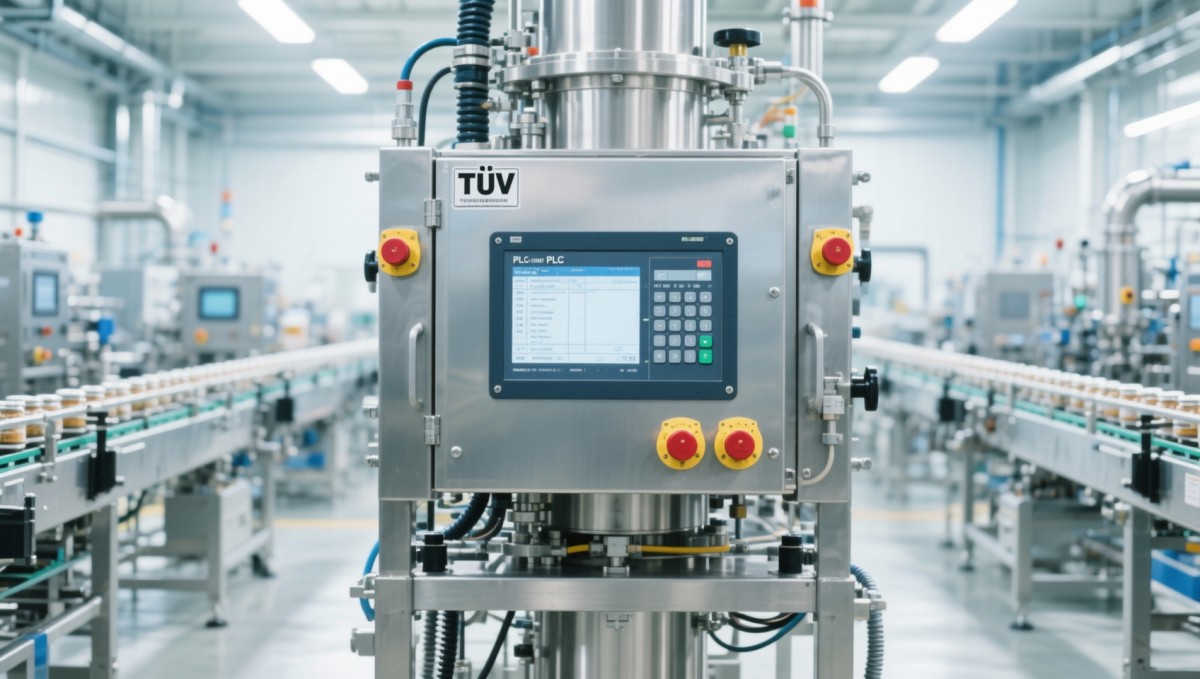
On March 25, 2026, the Saudi Standards, Metrology and Quality Organization (SASO) officially implemented the new mandatory standard SASO IEC 62061:2026. This regulation requires all imported food filling machines, sealing machines, and labeling machines to be equipped with TÜV-certified safety PLCs and redundant dual-circuit emergency stop systems. The food machinery manufacturing and export industries, particularly in China, are significantly impacted, as compliance now involves additional costs and certification processes. This development is crucial for businesses involved in food processing equipment trade with Saudi Arabia, as non-compliance could disrupt supply chains and market access.
Event Overview
The new SASO IEC 62061:2026 standard, effective March 25, 2026, mandates that all food industrial machinery imported into Saudi Arabia, including filling, sealing, and labeling machines, must incorporate TÜV-certified safety PLCs and dual-circuit emergency stop systems. According to feedback from export enterprises in Guangzhou and Wenzhou, the additional certification requirements have increased costs by an average of 12%, though order delivery cycles remain stable at 60 days.
Impact on Specific Sub-Sectors
Direct Export Enterprises
Manufacturers and exporters of food processing machinery, particularly those specializing in filling and sealing equipment, are directly affected. The new standard necessitates technical upgrades and additional certifications, leading to higher production costs. Companies must now factor in the 12% cost increase and ensure timely TÜV certification to avoid delays in shipments to Saudi Arabia.
Supply Chain and Component Suppliers
Suppliers of safety PLCs and emergency stop systems are likely to see increased demand. However, they must ensure their products meet TÜV certification standards to remain viable for manufacturers adapting to the new SASO requirements. This could lead to supply chain adjustments as manufacturers seek compliant components.
Food Processing Plants in Saudi Arabia
Local food processing facilities relying on imported machinery may face temporary shortages or delays as exporters adjust to the new standards. Plants planning upgrades or expansions should account for potential lead time extensions due to certification processes.

Key Focus Areas and Recommended Actions
Prioritize Certification and Compliance
Exporters must immediately initiate the TÜV certification process for their safety PLCs and emergency stop systems. Delays could result in missed shipments or rejected consignments at Saudi ports.
Cost Management and Pricing Strategy
With a 12% average cost increase, businesses should review pricing strategies and communicate transparently with Saudi clients about potential price adjustments. Exploring cost-sharing mechanisms or phased implementation could ease the transition.
Monitor SASO Updates and Regional Adaptations
Given Saudi Arabia's influence in the GCC region, similar standards may be adopted by neighboring countries. Companies should stay informed about potential regulatory expansions to other markets.
Strengthen Supplier Audits
Manufacturers must verify that their component suppliers can provide TÜV-certified parts consistently. Building long-term partnerships with certified suppliers can mitigate future disruptions.
Editorial Perspective / Industry Observation
From an industry standpoint, the SASO update signals a growing emphasis on machinery safety in food production environments. While the immediate impact is cost-related, the long-term effect could drive technological advancements in safety systems across the sector. The stable 60-day delivery cycle suggests that manufacturers have anticipated such regulatory changes, but smaller enterprises may struggle with the additional financial burden. This development is more than an isolated policy change; it reflects a broader trend toward stricter safety norms in industrial equipment, particularly in markets with high regulatory oversight like Saudi Arabia.
Conclusion
The implementation of SASO IEC 62061:2026 represents a significant shift in Saudi Arabia's food machinery import requirements, directly impacting Chinese exporters and related supply chains. While the cost implications are immediate, the broader industry should view this as part of a global move toward enhanced equipment safety standards. Businesses are advised to treat this as a compliance baseline rather than a one-time adjustment, as similar regulations may emerge in other regions. Proactive adaptation and supply chain optimization will be key to maintaining competitiveness in this evolving landscape.
Source Information
Primary Source: Saudi Standards, Metrology and Quality Organization (SASO) official release
Additional Data: Feedback from export enterprises in Guangzhou and Wenzhou
Note: The long-term impact on other GCC countries' regulations remains to be observed.
Related Intelligence
- Milling MachineryChanging Hammer Mill Screens: Particle Size Control and DowntimeIs it easy to change the screen or adjust the output size of the hammer mill? Discover practical tips for smoother screen changes, consistent particle size, and less downtime.
- Milling MachineryChanging Hammer Mill Screens: Particle Size Control and DowntimeIs it easy to change the screen or adjust the output size of the hammer mill? Discover practical tips for smoother screen changes, consistent particle size, and less downtime.
- Milling MachineryHow Should Milling Machinery Be Maintained to Extend Its Service Life?Learn how to maintain processing machinery to extend service life with practical milling maintenance tips on cleaning, lubrication, and wear checks to reduce downtime.
The Morning Broadsheet
Daily chemical briefings, market shifts, and peer-reviewed summaries delivered to your terminal.
