

The Authority in Global Agricultural Chemistry & Bio-Resources
RCEP Members Further Reduce Tariffs on China's Agri-processing Equipment, Vietnam and Malaysia Cut to 3.8%, Boosting Vacuum Freeze Dryer Exports

RCEP Members Further Reduce Tariffs on China's Agri-processing Equipment, Vietnam and Malaysia Cut to 3.8%, Boosting Vacuum Freeze Dryer Exports
Introduction
Starting April 1, 2026, Vietnam, Malaysia, and Thailand will implement the third round of tariff reductions under RCEP, lowering import duties on Chinese-made agricultural processing machinery—including vacuum freeze dryers, fruit and vegetable dicers, and modified atmosphere packaging equipment—from 5.0% to 3.8%. The China Chamber of Commerce for Import and Export of Machinery and Electronic Products (CCCME) notes that this reduction, combined with localized after-sales networks, is accelerating the replacement of outdated Japanese and Korean equipment in Southeast Asian food processing plants. This development is particularly relevant for manufacturers and exporters of agricultural processing machinery, as well as Southeast Asian food processors upgrading their production lines.
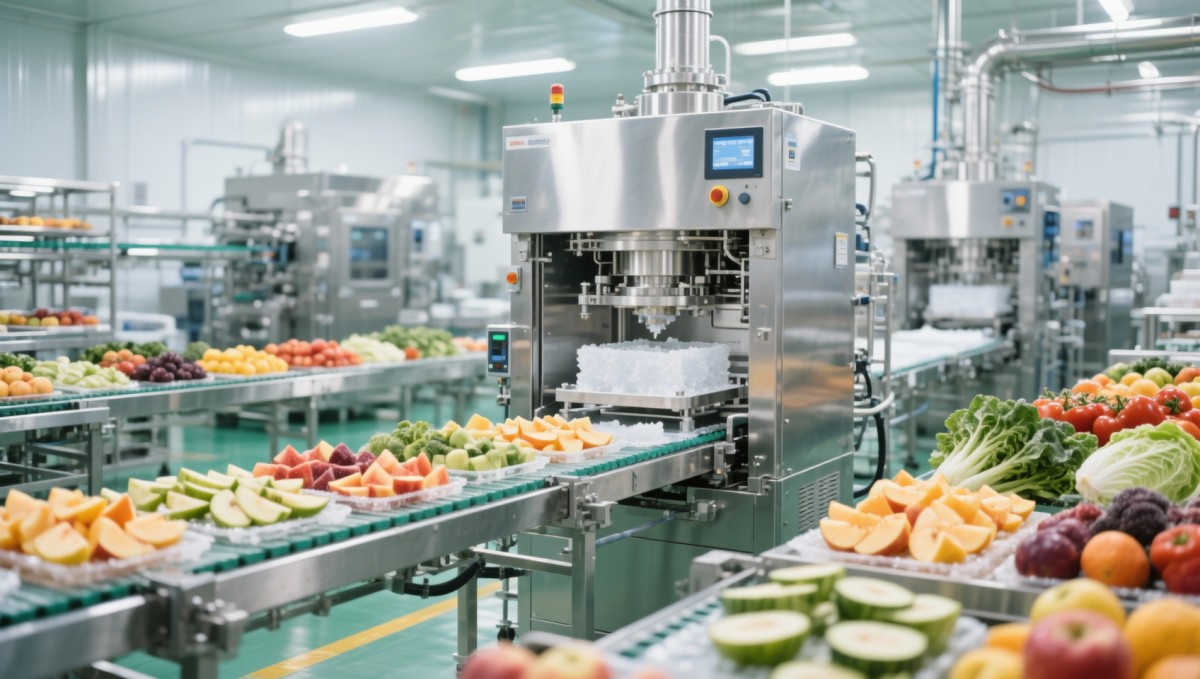
Event Overview
Under the RCEP agreement, Vietnam, Malaysia, and Thailand will adjust their tariff rates on specific Chinese agricultural processing equipment from 5.0% to 3.8% effective April 1, 2026. The affected machinery includes vacuum freeze dryers, fruit and vegetable dicers, and modified atmosphere packaging equipment. According to CCCME, this tariff reduction is part of broader efforts to enhance trade facilitation among RCEP members.
Impact on Sub-industries
Agricultural Machinery Exporters
The tariff reduction directly benefits Chinese manufacturers of vacuum freeze dryers and other processing equipment, making their products more competitive in Southeast Asian markets. With lower import costs, Vietnamese and Malaysian food processors may prioritize Chinese equipment over Japanese or Korean alternatives, especially when combined with China's expanding local service networks.
Southeast Asian Food Processors
Food processing companies in Vietnam, Malaysia, and Thailand gain access to more cost-effective machinery upgrades. The reduced tariffs lower capital expenditure for replacing aging equipment, potentially accelerating automation and efficiency improvements in regional fruit, vegetable, and packaged food production.

Supply Chain Service Providers
Logistics and trade facilitation service providers between China and Southeast Asia may see increased demand for cross-border machinery transportation and customs clearance services, particularly for temperature-controlled or oversized equipment shipments.
Key Focus Areas and Recommended Actions
Monitor Implementation Details
Exporters should verify HS codes and certification requirements with customs brokers, as tariff reductions may apply only to specific equipment models meeting RCEP origin rules. CCCME's upcoming industry briefings could provide operational guidance.
Prioritize Markets with Established Support Networks
Vietnamese and Malaysian markets—where Chinese manufacturers have already built local maintenance centers—offer faster adoption potential than regions without after-sales infrastructure. Equipment suppliers may consider bundling training services with machinery sales.
Differentiate Between Short-term Cost Advantage and Long-term Competitiveness
While the 1.2% tariff difference provides immediate pricing benefits, sustained market share will depend on product reliability and lifecycle costs. Manufacturers should prepare technical documentation comparing energy efficiency and maintenance requirements against incumbent equipment.
Editor's Perspective
From an industry standpoint, this tariff adjustment signals incremental progress rather than transformative change. The 3.8% rate remains higher than ASEAN-China FTA rates for some machinery categories, suggesting future negotiations may further align preferences. More significant than the tariff reduction itself is the observed trend of Southeast Asian processors actively replacing 10-15 year old equipment—a behavior shift driven by food safety standards rather than just cost considerations. The industry should track whether Thailand's processing sector follows Vietnam and Malaysia's lead in adopting Chinese equipment post-tariff change.
Conclusion
This RCEP tariff reduction represents a measured but meaningful improvement in market access for Chinese agricultural processing equipment manufacturers targeting Southeast Asia. While the direct cost impact is modest, the policy change occurs alongside structural industry shifts favoring equipment upgrades. Businesses should evaluate this development within the broader context of Southeast Asia's food processing modernization rather than as an isolated tariff event. The immediate opportunity lies in Vietnam and Malaysia's mid-tier processing segment where total ownership cost calculations are most sensitive to marginal price changes.
Information Sources
1. Official RCEP tariff schedules (2026 implementation documents)
2. China Chamber of Commerce for Import and Export of Machinery and Electronic Products (CCCME) statement
*Note: Country-specific implementation rules for machinery certification requirements remain pending as of this reporting.
Related Intelligence
- Milling MachineryChanging Hammer Mill Screens: Particle Size Control and DowntimeIs it easy to change the screen or adjust the output size of the hammer mill? Discover practical tips for smoother screen changes, consistent particle size, and less downtime.
- Milling MachineryChanging Hammer Mill Screens: Particle Size Control and DowntimeIs it easy to change the screen or adjust the output size of the hammer mill? Discover practical tips for smoother screen changes, consistent particle size, and less downtime.
- Milling MachineryHow Should Milling Machinery Be Maintained to Extend Its Service Life?Learn how to maintain processing machinery to extend service life with practical milling maintenance tips on cleaning, lubrication, and wear checks to reduce downtime.
The Morning Broadsheet
Daily chemical briefings, market shifts, and peer-reviewed summaries delivered to your terminal.
