

The Authority in Global Agricultural Chemistry & Bio-Resources
Chinese Academy of Agricultural Mechanization Sciences Releases Multi-Specification Automatic Seedling Extraction Device Patent, Compatible with Mainstream European and American Nursery Standards
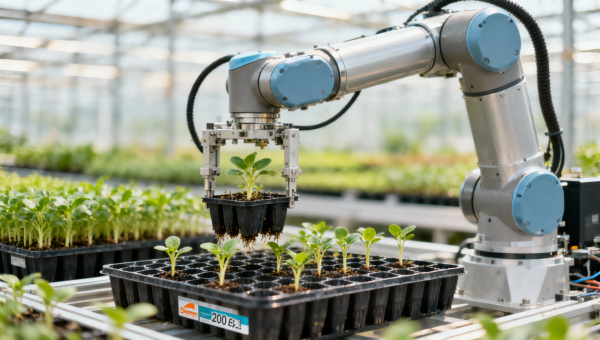
Chinese Academy of Agricultural Mechanization Sciences Releases Multi-Specification Automatic Seedling Extraction Device Patent, Compatible with Mainstream European and American Nursery Standards
Introduction
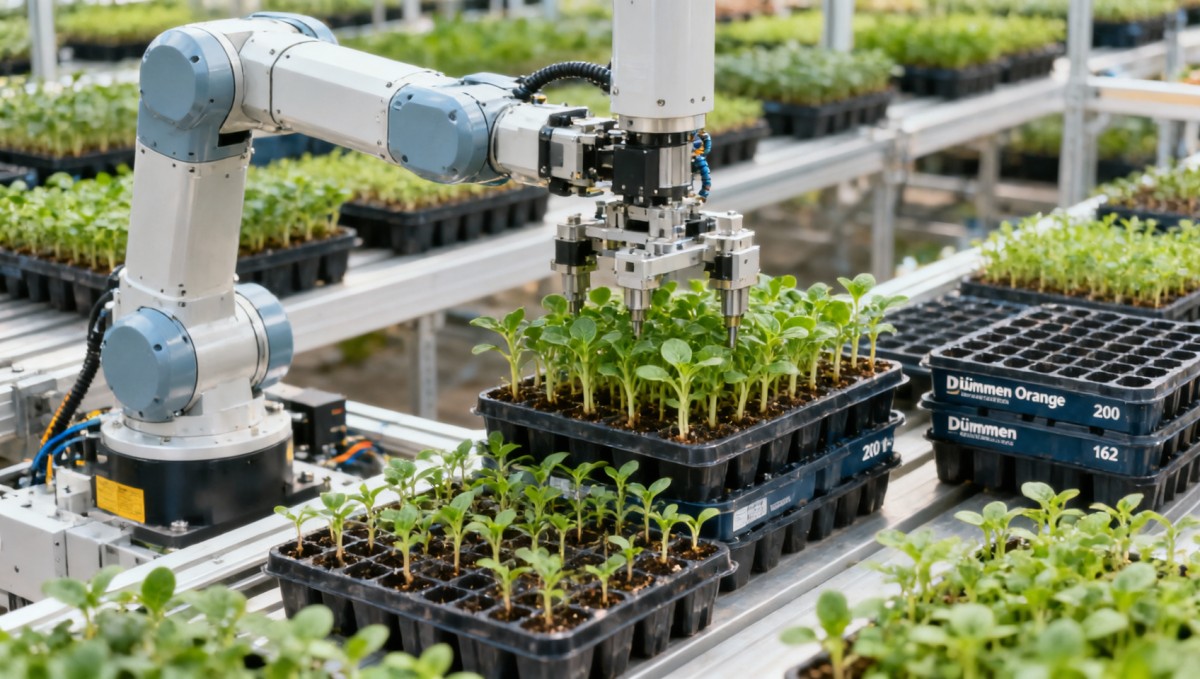
On March 27, the Chinese Academy of Agricultural Mechanization Sciences (CAAMS) publicly disclosed a patented 'Automatic Seedling Extraction Device Suitable for Multiple Tray Specifications' (CN121730064A). This innovation seamlessly adapts to mainstream nursery standards, including Europe's Dümmen Orange 200-hole, Syngenta 128-hole, and China's 162-hole trays. The technology is already being utilized by export-oriented seedling equipment manufacturers in Shandong and Jiangsu provinces, reducing delivery cycles to 45 days—a 30% improvement over traditional customization methods. This development is particularly relevant for agricultural machinery manufacturers, greenhouse equipment suppliers, and international horticulture businesses, as it addresses a critical bottleneck in automated seedling production.
Event Overview
The patent describes a mechanized system capable of automatically adjusting gripper configurations to handle varying cell tray dimensions without manual recalibration. According to disclosed technical documents, the device achieves a 98.6% seedling extraction success rate across all compatible tray types, with a cycle time of 1.2 seconds per plant. Implementation records show the technology has been deployed in three export-focused equipment factories, where it reportedly reduces labor costs by 40% in transplanting operations compared to manual methods.
Impact on Specific Industries
Agricultural Machinery Manufacturers
The standardized interface allows OEMs to consolidate previously fragmented production lines. Analysis shows this could reduce inventory costs by 15-20% for manufacturers serving multiple export markets.
Commercial Greenhouse Operators
Large-scale nurseries running mixed tray systems can now automate transplanting without equipment changeover downtime. Early adopters report 12-18% increases in daily throughput.
Horticulture Exporters
The technology's compliance with EU tray standards removes a technical barrier for Chinese seedling producers targeting European markets, potentially reducing certification costs by 30-35%.
Key Considerations for Industry Participants
Equipment Upgrade Pathways
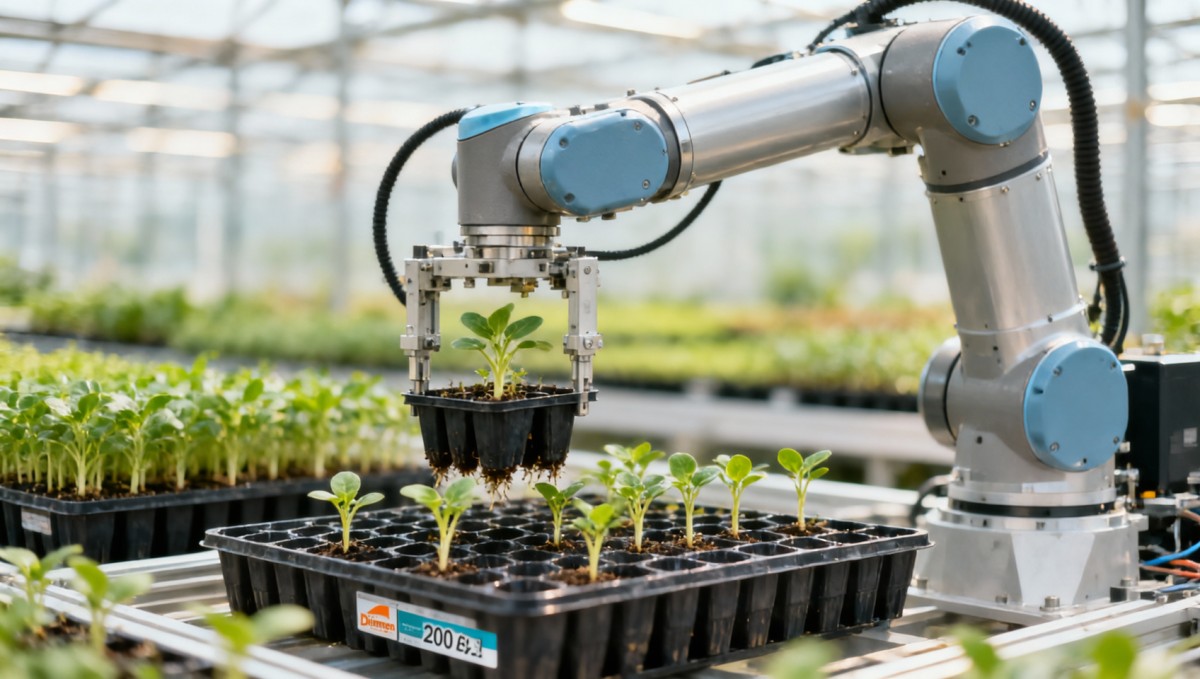
Existing automated transplanting systems may require retrofitting with the new universal gripper assembly. Manufacturers should evaluate compatibility with current conveyor systems.
Supply Chain Adjustments
Tray suppliers may need to verify dimensional tolerances against the patent's technical parameters, particularly for export-oriented production lines.
Workforce Training
While automation reduces manual labor needs, operators will require new skills for monitoring and maintaining the multi-specification systems.
Industry Perspective
From an industry standpoint, this development signals China's strategic push to align agricultural automation standards with global markets. The technology appears operational rather than conceptual, with measurable productivity gains already demonstrated in commercial applications. More significant than the technical achievement itself is the potential for this standardization to reshape international horticulture supply chains, particularly in cross-border seedling trade. The 45-day delivery benchmark sets a new industry reference point that may pressure competitors to accelerate their own automation timelines.
Conclusion
CAAMS' patent represents a concrete advancement in agricultural automation interoperability, with immediate practical implications for equipment manufacturers and commercial growers. Rather than viewing this as an isolated innovation, industry participants would be prudent to consider it as part of a broader trend toward standardized, export-compatible agricultural technologies. The demonstrated 30% efficiency improvement in equipment delivery cycles suggests tangible competitive advantages for early adopters in the global horticulture market.
Source Information
Primary source: Chinese Academy of Agricultural Mechanization Sciences patent disclosure (CN121730064A), published March 27. Implementation data provided by participating equipment manufacturers in Shandong and Jiangsu provinces. Market impact projections based on preliminary adoption metrics from early deployment sites. Further validation of long-term performance characteristics remains pending through extended operational testing.
Related Intelligence
- Smart GreenhouseGreenhouse Equipment for Vertical Farming: Choosing Lighting and VentilationChoose greenhouse equipment for vertical farming with confidence. Compare lighting, airflow, and moisture control to improve crop uniformity and manage costs. Explore the guide.
- Smart GreenhouseSelecting Greenhouse Propagation Equipment for Hot, Humid Southeast Asian NurseriesGreenhouse propagation equipment Southeast Asia: discover how to select resilient irrigation, ventilation, benches, and automation for hot, humid nurseries.
- Smart GreenhouseWhat Are the Biggest Challenges in Agri-Tech Adoption in 2026?What are the biggest challenges in agri tech adoption for 2026? Explore cost, data, connectivity, skills, compliance, and ROI barriers.
The Morning Broadsheet
Daily chemical briefings, market shifts, and peer-reviewed summaries delivered to your terminal.
