

The Authority in Global Agricultural Chemistry & Bio-Resources
FDA Updates Cybersecurity Guidelines for Food Processing Equipment, Requiring UL 2900-2-1 Certification for Chinese PLC Control Systems
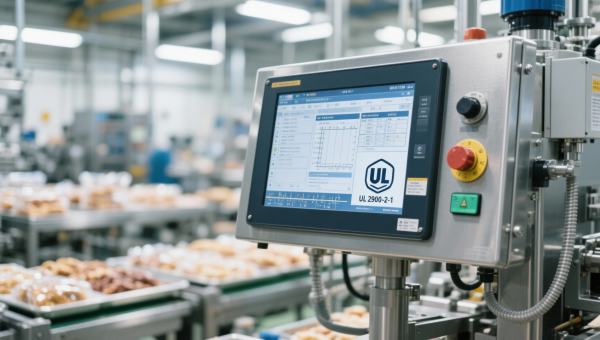
FDA Updates Cybersecurity Guidelines for Food Processing Equipment, Requiring UL 2900-2-1 Certification for Chinese PLC Control Systems
Introduction
On March 26, 2026, the U.S. Food and Drug Administration (FDA) released an updated version of its Best Practices for Cybersecurity in Food Processing Equipment, mandating that all food sorting machines, metal detectors, and retort control systems with networked PLCs, HMIs, or remote diagnostic functions must obtain UL 2900-2-1 certification. This requirement applies to all equipment entering the U.S. after July 1, 2026. The regulation directly impacts Chinese manufacturers, particularly those in Shenzhen and Suzhou, where certification processes have already begun, leading to extended delivery times of 6–8 weeks. This development is significant for food processing equipment manufacturers, exporters, and supply chain stakeholders, as it introduces new compliance hurdles and operational adjustments.
Event Overview
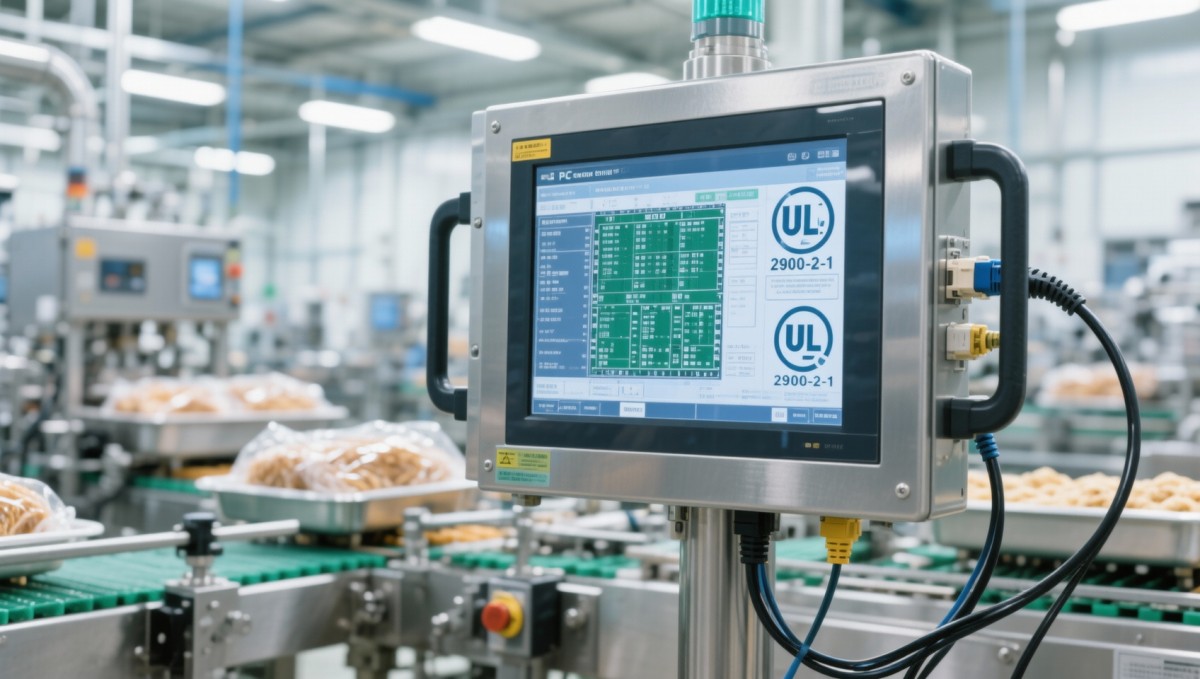
The FDA's revised guidelines specifically target food processing equipment with networked components, including programmable logic controllers (PLCs), human-machine interfaces (HMIs), and remote diagnostic systems. The UL 2900-2-1 standard, which focuses on cybersecurity for network-connectable devices, is now a mandatory requirement for such equipment entering the U.S. market. Manufacturers in China, a key exporter of these systems, have already initiated certification processes, but the additional compliance steps are causing delays in production and shipment timelines.
Impact on Specific Industries
Food Processing Equipment Manufacturers
Chinese manufacturers, particularly those specializing in PLCs and HMIs for food processing, face immediate operational challenges. The certification process requires time and resources, potentially disrupting production schedules and increasing costs. Companies in Shenzhen and Suzhou, where many of these manufacturers are based, are already experiencing 6–8 week delays in delivery times.
U.S. Food Processing Companies
American businesses relying on imported equipment may encounter supply chain bottlenecks. The extended lead times could delay upgrades or replacements of critical machinery, affecting production efficiency. Companies sourcing from China should anticipate longer procurement cycles and consider diversifying suppliers to mitigate risks.
Supply Chain and Logistics Providers
Logistics firms handling shipments of food processing equipment to the U.S. will need to account for the certification delays. Customs clearance processes may also become more stringent, requiring additional documentation to verify compliance with the new FDA guidelines.
Key Considerations and Recommended Actions
Prioritize Certification Compliance
Manufacturers should immediately engage with UL-certified testing laboratories to initiate the certification process. Early action can help minimize disruptions and avoid last-minute rushes as the July 2026 deadline approaches.
Assess Supply Chain Vulnerabilities
U.S. importers should evaluate their reliance on Chinese suppliers and explore alternative sources or buffer stocks to cushion against potential delays. Open communication with manufacturers about certification progress is crucial for planning.
Monitor Regulatory Updates
The FDA may issue further clarifications or additional requirements. Stakeholders should stay informed through official channels and industry associations to ensure ongoing compliance.
Editorial Perspective
From an industry standpoint, the FDA's move reflects growing concerns about cybersecurity risks in critical infrastructure, including food processing. While the immediate impact is logistical, the broader implication is a shift toward stricter cybersecurity standards for industrial equipment. This development is more than a one-time compliance hurdle; it signals a trend that other sectors may soon follow. Companies should view this as an opportunity to strengthen their cybersecurity posture and build resilience into their supply chains.
Conclusion
The FDA's updated cybersecurity guidelines represent a significant regulatory change for food processing equipment entering the U.S. market. While the immediate focus is on certification and compliance, the long-term takeaway is the increasing importance of cybersecurity in industrial systems. Manufacturers, importers, and supply chain partners should treat this as a wake-up call to review their processes and prepare for a future where such standards may become the norm.
Sources
- U.S. Food and Drug Administration (FDA) - Best Practices for Cybersecurity in Food Processing Equipment (March 26, 2026)
- UL LLC - UL 2900-2-1 Standard Documentation
- Industry reports from Shenzhen and Suzhou manufacturing hubs (pending further verification)
Related Intelligence
- Milling MachineryChanging Hammer Mill Screens: Particle Size Control and DowntimeIs it easy to change the screen or adjust the output size of the hammer mill? Discover practical tips for smoother screen changes, consistent particle size, and less downtime.
- Milling MachineryChanging Hammer Mill Screens: Particle Size Control and DowntimeIs it easy to change the screen or adjust the output size of the hammer mill? Discover practical tips for smoother screen changes, consistent particle size, and less downtime.
- Milling MachineryHow Should Milling Machinery Be Maintained to Extend Its Service Life?Learn how to maintain processing machinery to extend service life with practical milling maintenance tips on cleaning, lubrication, and wear checks to reduce downtime.
The Morning Broadsheet
Daily chemical briefings, market shifts, and peer-reviewed summaries delivered to your terminal.
