

The Authority in Global Agricultural Chemistry & Bio-Resources
Tianjin Port Faces Tight Agricultural Machinery Export Space in Q2, Ro-Ro Freight Rates Rise 18% from April, China International Agricultural Machinery Exhibition 2026 Set for October

Introduction
As of April 2026, Tianjin Port is experiencing a surge in agricultural machinery exports due to peak spring farming demand and concentrated international order deliveries, leading to booked-out ro-ro vessel space until mid-April. Major shipping lines have announced an 18% freight rate hike for tractors, seeders, and forage harvesters starting April. Meanwhile, the upcoming China International Agricultural Machinery Exhibition (October 26–28) will feature an "Export Logistics & Cross-Border Compliance Zone" with on-site slot booking and expedited certification services. This development warrants attention from agricultural equipment manufacturers, exporters, and logistics providers navigating tightened capacity and rising costs.
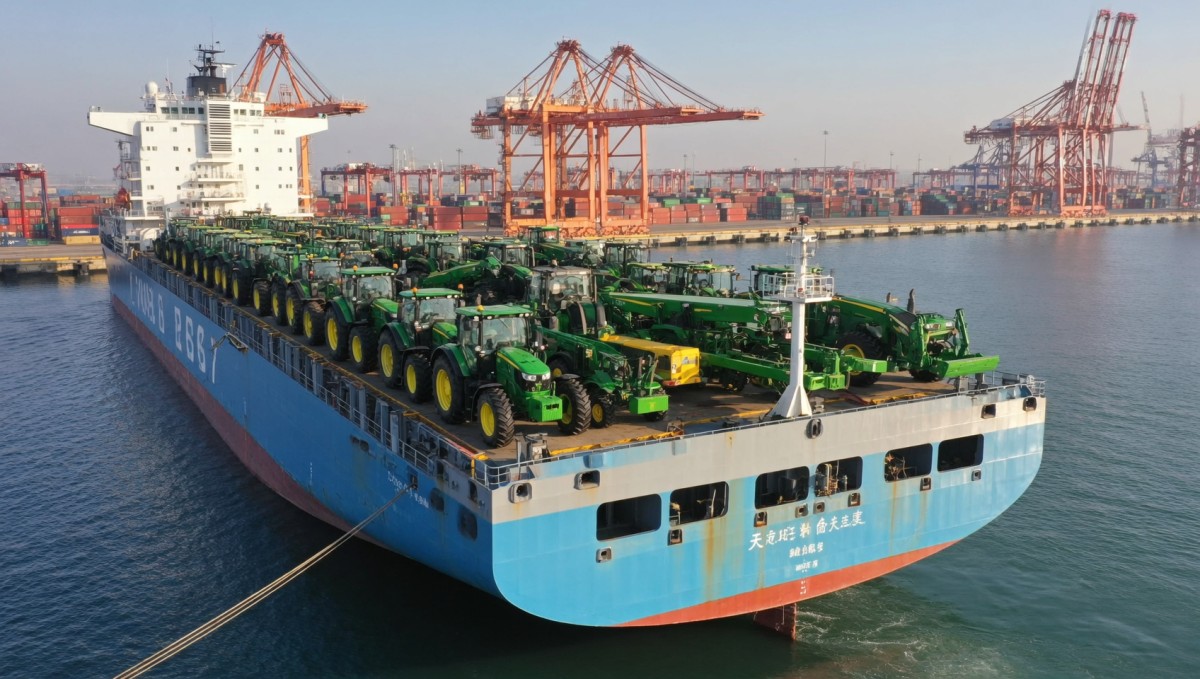
Event Overview
Confirmed developments as of April 2026 include:
- Capacity Crunch: Tianjin Port's agricultural machinery export slots are fully booked through mid-April.
- Freight Increase: An 18% rate hike applies to ro-ro shipments of complete machines (tractors, seeders, forage harvesters) effective April 1.
- Exhibition Feature: The October 2026 China International Agricultural Machinery Exhibition will host dedicated logistics/compliance services with partners including COSCO, SGS, and Bureau Veritas.
Impact on Sub-Sectors
Agricultural Machinery Exporters
Delayed shipments may disrupt delivery timelines for Q2 international contracts, particularly affecting orders from regions aligning with spring/fall planting cycles. Exporters face compressed margins due to freight hikes averaging 18% across key equipment categories.
Logistics Service Providers
Ro-ro operators gain pricing leverage but must manage shipper expectations amid peak demand. Forwarders should anticipate increased demand for alternative routing via containerized breakbulk or multipurpose vessel options.
Parts Suppliers
Component manufacturers supplying export-oriented OEMs may experience order pacing adjustments as machinery producers recalibrate production schedules around logistical bottlenecks.

Key Considerations for Stakeholders
Prioritize Slot Reservations
Exporters should secure Q3–Q4 vessel space early through the exhibition's booking platform or forwarder partnerships, especially for high-cube equipment.
Review Incoterms
CFR/CIF contracts signed pre-April may require renegotiation to account for freight increases. New contracts should build in fuel adjustment clauses.
Leverage Exhibition Services
The October trade show's compliance zone offers accelerated certification processing—critical for exporters targeting markets with evolving agricultural machinery standards.
Industry Perspective
Analysis suggests this congestion reflects structural pressures beyond seasonal demand: global ro-ro fleet deployment shifts toward higher-margin EV shipments have reduced agricultural equipment capacity. The 18% rate hike likely establishes a new pricing floor rather than a temporary surge. Observers note the exhibition's logistics focus indicates growing recognition of supply chain constraints as a bottleneck for machinery exports.
Conclusion
The Tianjin Port situation underscores tightening logistics conditions for heavy equipment exports. While immediate challenges center on Q2 shipments, the industry should view this as a prompt to diversify transport options and embed logistical flexibility into 2027 planning. The October exhibition now serves dual purpose as both trade platform and supply chain coordination hub.
Sources
- Tianjin Port Authority vessel scheduling bulletins (April 2026)
- China International Agricultural Machinery Exhibition 2026 organizer statements
- Ro-ro carrier rate advisories (March 2026)
- Ongoing monitoring: Potential secondary effects on domestic machinery inventory levels remain unconfirmed as of reporting.
Related Intelligence
- Heavy Agri MachineryEvaluating Farm Equipment Distributors: Parts Availability and Service CoverageCompare farm equipment distributors on critical parts availability, service coverage, and repair response. Learn what to verify before buying to reduce costly downtime.
- Heavy Agri MachineryHow Does Market Forecasting Help Plan Farm Machinery Procurement?How does market forecasting help agri procurement planning? Discover how to time machinery purchases, protect cash flow, and reduce delivery risks before critical farm deadlines.
- Heavy Agri MachineryIs It Safe to Source Farm Machinery from Emerging Markets?Is it safe to source agri machinery from emerging markets? Discover how to verify suppliers, check compliance, and secure parts support to protect your farm and avoid costly buying mistakes.
The Morning Broadsheet
Daily chemical briefings, market shifts, and peer-reviewed summaries delivered to your terminal.
