

The Authority in Global Agricultural Chemistry & Bio-Resources
EU's Revised Eco-Design Regulation for Food Contact Machinery Takes Effect in April: Chinese Food Processing Equipment Exports Required to Install Energy Monitoring Modules

Introduction
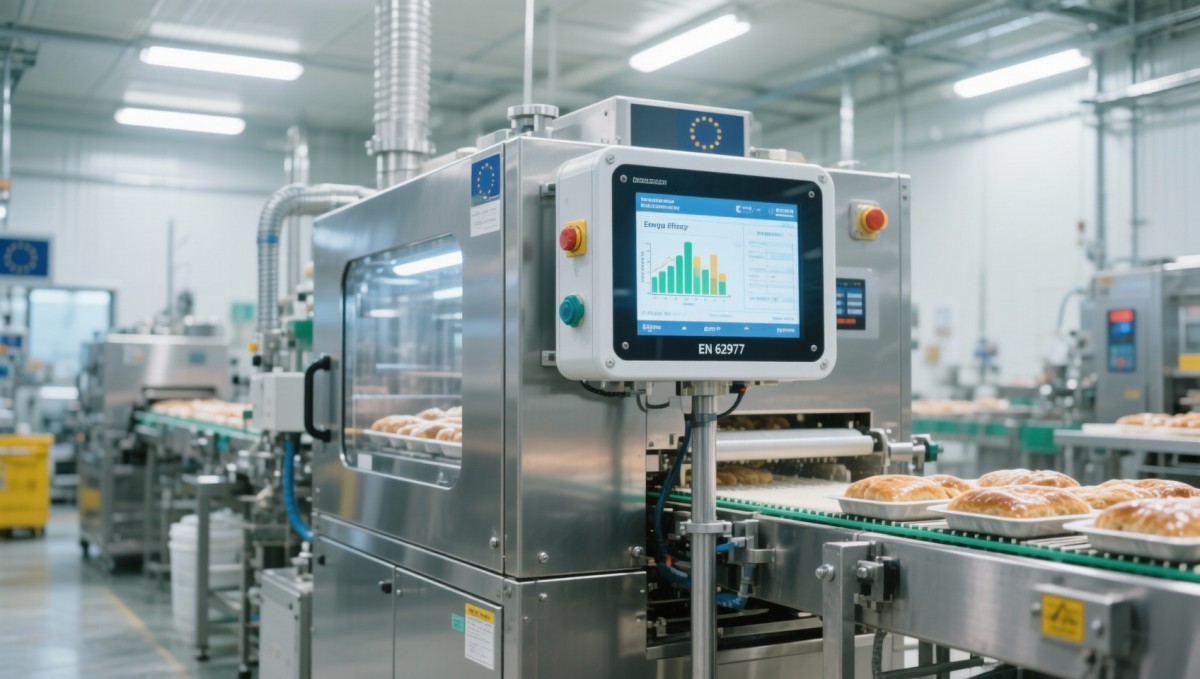
On March 27, 2026, the European Commission issued Regulation (EU) 2026/412, mandating that all food processing equipment exported to the EU, such as food washing lines, vacuum packaging machines, and filling-sealing units, must be equipped with real-time energy consumption monitoring modules compliant with EN 62977 standards. The regulation, effective from April 1, 2026, also requires verifiable energy efficiency data interfaces. The same day, China's General Administration of Customs warned that non-compliant products may face customs delays or even return risks. This development is particularly relevant for manufacturers and exporters of food processing machinery, as well as supply chain stakeholders, given the EU's stringent environmental standards and its status as a key export market.
Event Overview
The EU's revised Eco-Design Regulation for Food Contact Machinery introduces new requirements for real-time energy monitoring and data transparency. Key points include:
- Effective date: April 1, 2026
- Scope: Covers food washing lines, vacuum packaging machines, filling-sealing units, and similar equipment
- Technical requirement: EN 62977-compliant monitoring modules with verifiable data interfaces
- Non-compliance risks: Customs delays or product returns for non-equipped machinery
Impact on Specific Industries
1. Food Processing Equipment Manufacturers
Direct exporters to the EU must retrofit existing product lines or redesign new models to incorporate the required modules. This may increase production costs and lead times, particularly for SMEs lacking in-house R&D capabilities.
2. Supply Chain Service Providers
Logistics and customs clearance service providers need to update compliance checklists and communicate with manufacturers to prevent shipment disruptions. The regulation may also affect warehousing strategies for pre-compliance stock.
3. Component Suppliers
Suppliers of control systems and IoT modules could see increased demand for EN 62977-compliant components. However, they must ensure their own certifications are up-to-date to capitalize on this opportunity.

Key Considerations and Recommended Actions
1. Compliance Timeline Management
With the April 2026 deadline, manufacturers should immediately audit current product designs against EN 62977 requirements. Priority should be given to high-volume export models.
2. Certification and Testing
Engage with notified bodies early for module certification. Testing protocols should account for both functional performance and data verification requirements.
3. Supply Chain Coordination
Re-evaluate component procurement strategies, particularly for monitoring sensors and data transmission units. Consider dual sourcing to mitigate supply chain risks.
4. Customer Communication
Proactively inform EU buyers about compliance plans to maintain commercial relationships. Documentation packages should clearly demonstrate conformity.
Editorial Perspective
From an industry standpoint, this regulation appears to signal the EU's broader push toward industrial sustainability transparency. While currently focused on energy monitoring, it may foreshadow future requirements encompassing water usage, emissions, or lifecycle assessments. The immediate operational impact is clear, but the strategic implications for product development philosophies warrant equal attention.
Conclusion
This regulatory change represents both a compliance challenge and an opportunity for food equipment manufacturers to align with global sustainability trends. Rather than viewing it as a standalone technical requirement, industry players would benefit from treating it as part of a larger shift toward environmentally transparent manufacturing. The coming months will be critical for establishing compliant production workflows while maintaining market competitiveness.
Source Information
- European Commission Regulation (EU) 2026/412
- China General Administration of Customs notice (March 27, 2026)
- Note: EN 62977 implementation guidelines are pending publication and should be monitored for updates.
Related Intelligence
- Milling MachineryChanging Hammer Mill Screens: Particle Size Control and DowntimeIs it easy to change the screen or adjust the output size of the hammer mill? Discover practical tips for smoother screen changes, consistent particle size, and less downtime.
- Milling MachineryChanging Hammer Mill Screens: Particle Size Control and DowntimeIs it easy to change the screen or adjust the output size of the hammer mill? Discover practical tips for smoother screen changes, consistent particle size, and less downtime.
- Milling MachineryHow Should Milling Machinery Be Maintained to Extend Its Service Life?Learn how to maintain processing machinery to extend service life with practical milling maintenance tips on cleaning, lubrication, and wear checks to reduce downtime.
The Morning Broadsheet
Daily chemical briefings, market shifts, and peer-reviewed summaries delivered to your terminal.
