

The Authority in Global Agricultural Chemistry & Bio-Resources
China-Vietnam Agricultural Machinery Trade Meeting Facilitates Key Export Equipment Access
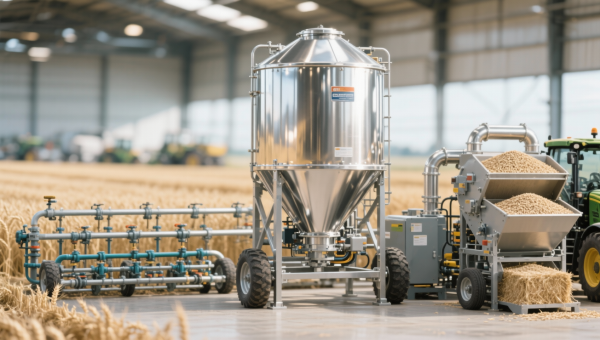
Lead: The China-Vietnam Agricultural Machinery Trade Connection Meeting held on March 28, 2026, in Zhumadian marked a significant step in streamlining cross-border trade for irrigation systems, grain dryers, and feed processing units. Jointly organized by China’s agricultural machinery industrial and circulation associations, the event addressed Vietnam’s updated Technical Guidelines for Agricultural Machinery Imports, which now align with CE/ISO 22000 standards and establish a ‘Fast-Track Registration for Chinese Quality Suppliers’. This development directly impacts Southeast Asian importers’ compliance efficiency and operational timelines, making it critical for machinery manufacturers, export service providers, and regional distributors to reassess their engagement strategies.
Event Overview
On March 28, 2026, the China Agricultural Machinery Distribution Association and Industrial Association hosted a trade对接会 (connection meeting) in Zhumadian, Henan Province, focusing on three key areas:
- Customs clearance facilitation for agricultural machinery exports to Vietnam
- Mutual recognition of technical standards (notably CE/ISO 22000 for specified equipment categories)
- Localized after-sales support frameworks
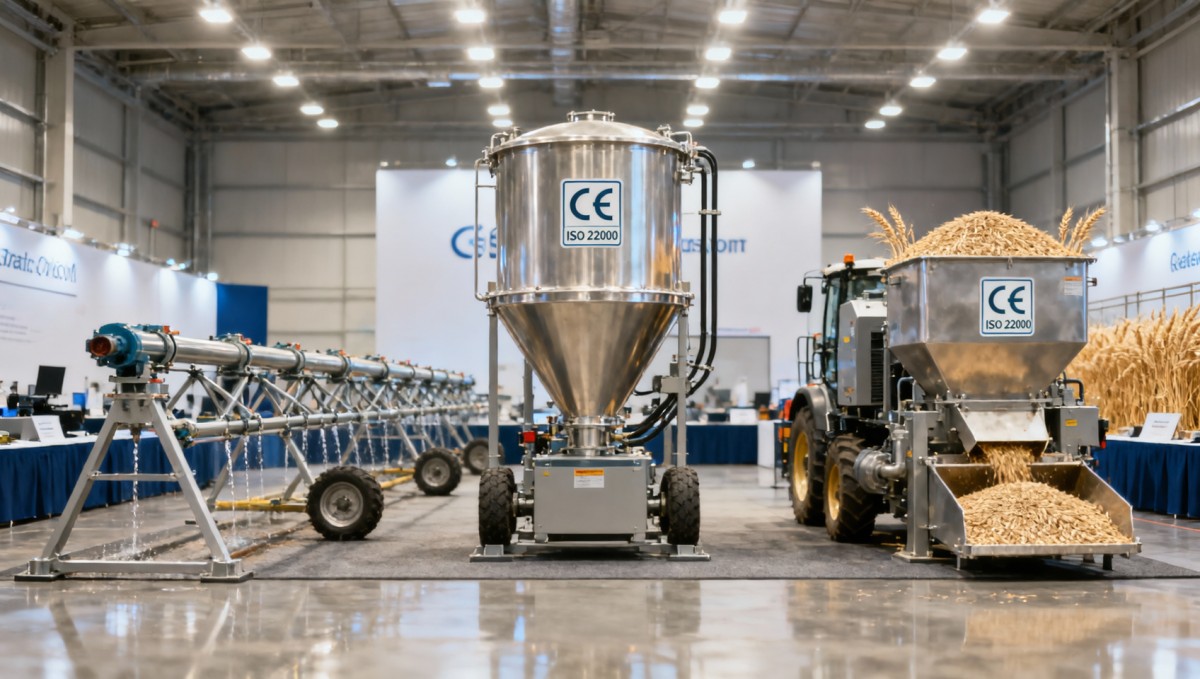
Vietnam’s Ministry of Agriculture concurrently revised its import guidelines, explicitly referencing compatibility requirements for irrigation equipment, grain dryers, and feed processing机组 (units). The ‘Fast-Track Registration’ mechanism aims to reduce approval periods for pre-qualified Chinese suppliers.
Impact on Sub-Sectors
1. Export-Oriented Machinery Manufacturers
Companies producing Vietnam’s priority equipment categories gain immediate advantages. The fast-track通道 (channel) reduces administrative barriers but necessitates preemptive certification audits. Manufacturers without ISO 22000/CE documentation now face accelerated market exclusion.
2. Cross-Border Supply Chain Services
Logistics providers and trade compliance consultants must adapt to Vietnam’s dual emphasis on technical standardization (product-level) and supplier vetting (entity-level). Containerized transport of eligible equipment may see streamlined customs workflows.
3. Regional Distribution Networks
Vietnamese importers partnering with ‘Fast-Track’ Chinese suppliers will likely consolidate procurement channels. Non-certified distributors risk losing shelf space to compliant competitors.
Actionable Priorities for Stakeholders
1. Certification Gap Analysis
Manufacturers should audit product portfolios against Vietnam’s referenced standards, prioritizing high-demand equipment like solar-powered irrigation systems—a category explicitly mentioned in the guidelines.
2. Fast-Track Registration Preparedness
The association-led initiative suggests a centralized application process. Companies should monitor the China Agricultural Machinery Circulation Association’s portal for registration windows and documentation templates.
3. Localized Service Partnerships
Vietnam’s emphasis on after-sales support implies stricter dealer requirements. Exporters may need to pre-establish local maintenance hubs or JV partnerships to remain competitive.
Industry Perspective
Analysis shows this development reflects Vietnam’s strategic shift from blanket import controls to tiered compliance management. The fast-track mechanism rewards standardization-ready exporters while creating a de facto barrier for smaller players. From an industry standpoint, this resembles Thailand’s 2024 tractor import reforms, where early adopters of certification protocols captured 78% of subsequent market share (data source: CAAM 2025 Annual Report).
Current indications suggest this policy will likely extend to Cambodia and Laos—Vietnam’s primary agricultural trade partners—within 18-24 months based on existing regional harmonization trends.
Conclusion
The Zhumadian meeting signals operational rather than conceptual progress in China-Vietnam agricultural trade. While the fast-track system’s implementation details require further clarification, exporters treating certification as a baseline requirement—not a differentiator—will be better positioned for ASEAN’s evolving compliance landscape.
Sources
- Announcement by China Agricultural Machinery Circulation Association (March 28, 2026)
- Vietnam Ministry of Agriculture’s Revised Technical Guidelines for Agricultural Machinery Imports (March 2026 Edition)
- Pending verification: Specific timelines for fast-track registration rollout and reciprocal standard recognition agreements with other ASEAN members
Related Intelligence
- Heavy Agri MachineryEvaluating Farm Equipment Distributors: Parts Availability and Service CoverageCompare farm equipment distributors on critical parts availability, service coverage, and repair response. Learn what to verify before buying to reduce costly downtime.
- Heavy Agri MachineryHow Does Market Forecasting Help Plan Farm Machinery Procurement?How does market forecasting help agri procurement planning? Discover how to time machinery purchases, protect cash flow, and reduce delivery risks before critical farm deadlines.
- Heavy Agri MachineryIs It Safe to Source Farm Machinery from Emerging Markets?Is it safe to source agri machinery from emerging markets? Discover how to verify suppliers, check compliance, and secure parts support to protect your farm and avoid costly buying mistakes.
The Morning Broadsheet
Daily chemical briefings, market shifts, and peer-reviewed summaries delivered to your terminal.
