

The Authority in Global Agricultural Chemistry & Bio-Resources
Australia Factory Explosion Triggers Chemical Leak, Sparks 300% Surge in Chinese Flame Retardant Exports
Introduction
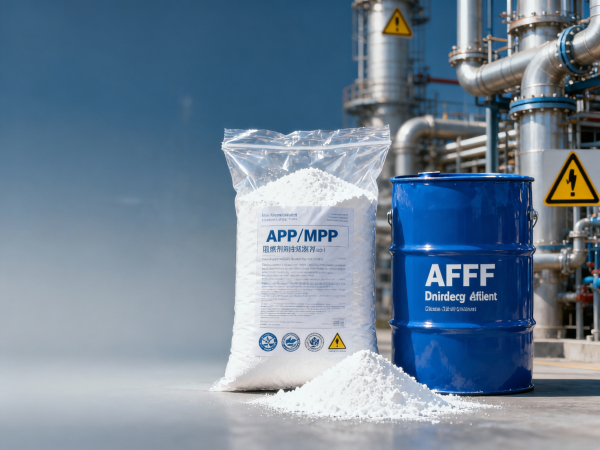
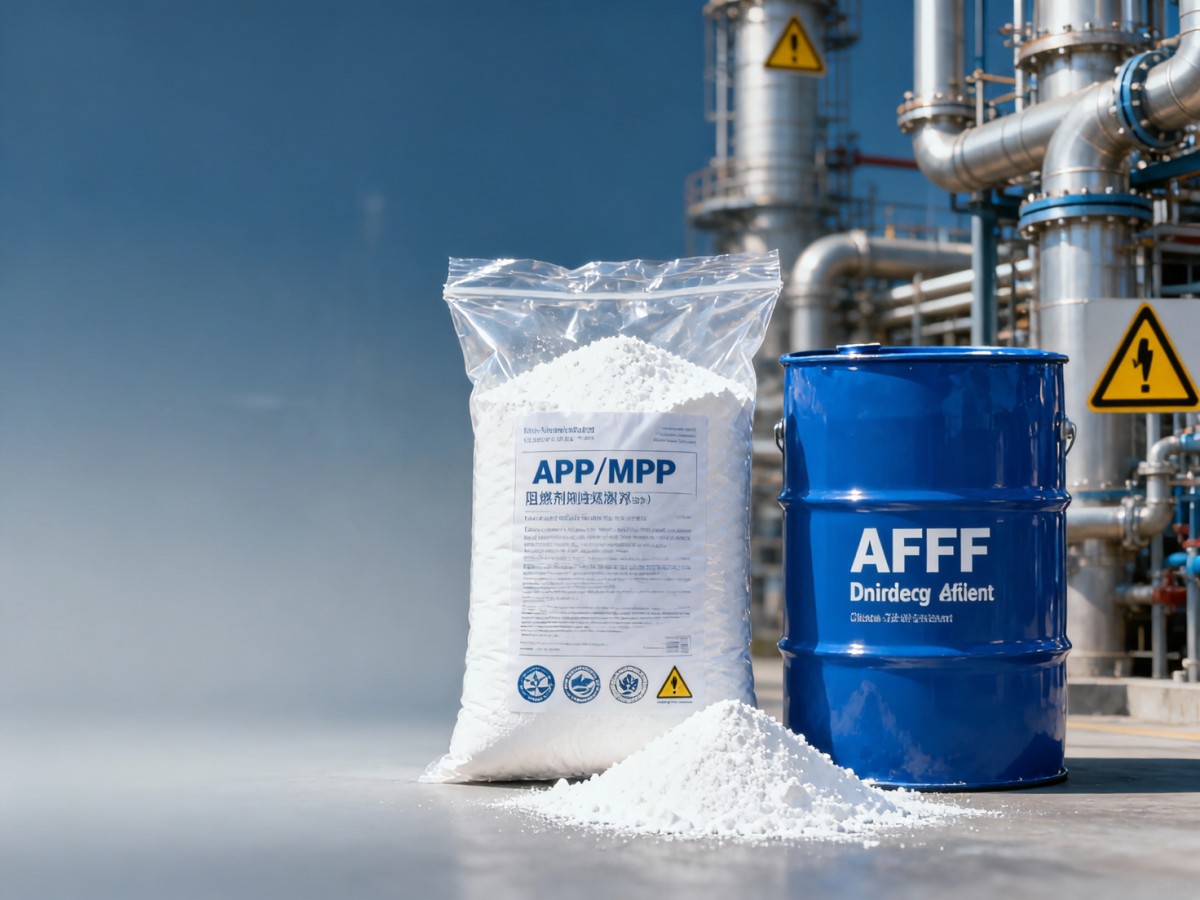
On November 30, 2025, an explosion at a major chemical plant in Victoria, Australia, caused a fire and subsequent leakage of phosphorus-based flame retardants and fluoroprotein firefighting foam. Following the incident, SafeWork Victoria temporarily tightened local production permits, prompting downstream manufacturers to seek alternative suppliers from China. Data from the Canton Fair and Alibaba International shows a 300% week-on-week increase in export inquiries for Chinese flame retardants (APP, MPP) and AFFF-type firefighting agents between March 22–28, primarily from industrial distributors in Melbourne and Perth, with a strong emphasis on 7-day order confirmation. This event highlights critical supply chain vulnerabilities and presents immediate opportunities for Chinese exporters in the fire safety sector.
Event Overview
The explosion occurred at a Victoria-based chemical facility on November 30, 2025, resulting in significant chemical leaks of specialized industrial materials. Regulatory authorities have imposed temporary restrictions on local production licenses while investigating safety protocols. Verified data indicates Chinese exporters received unprecedented inquiry volumes for flame retardants and fire suppression agents within one week of the incident, with order urgency metrics reflecting acute regional shortages.
Impact on Key Industries
1. Chemical Exporters & Manufacturers
Chinese producers of ammonium polyphosphate (APP), melamine polyphosphate (MPP), and aqueous film-forming foam (AFFF) are experiencing urgent demand from Australian industrial buyers. The 300% inquiry surge suggests potential short-term contracts, though quality certifications and rapid logistics capacity will determine actual order conversion.
2. Industrial Safety Equipment Distributors
Australian wholesalers servicing construction, mining, and manufacturing sectors face immediate inventory gaps. Current procurement patterns show preference for pre-certified alternatives with existing AU/NZ compliance documentation to bypass approval delays.
3. Supply Chain Service Providers
Freight forwarders and testing laboratories specializing in hazardous material handling may see increased activity. The 7-day delivery expectation necessitates pre-positioned inventory or expedited shipping solutions for chemical shipments.
Actionable Insights for Businesses
Monitor Regulatory Developments
Track SafeWork Victoria's license suspension timeline and potential policy adjustments regarding imported chemical substitutes. Official statements will clarify whether this is a stopgap measure or long-term market restructuring.
Prioritize Compliance Documentation
Exporters should highlight existing international certifications (ISO, UL, REACH) and provide sample compliance packs to accelerate buyer decision-making. Australian importers are currently prioritizing suppliers with pre-verified documentation.
Assess Logistics Readiness
Given the acute demand, evaluate air freight capabilities for hazardous materials or bonded warehouse options in Southeast Asia to meet tight delivery windows. Standard ocean freight may not satisfy urgent requirements.
Differentiate Between Emergency Orders and Sustained Demand
Initial inquiry spikes may reflect panic buying. Engage with Australian partners to distinguish between temporary stock replenishment versus potential long-term supply chain realignment.
Industry Perspective
From an industry standpoint, this event exposes structural vulnerabilities in Australia's specialized chemical production capacity. The 300% inquiry surge suggests Chinese exporters are positioned as primary beneficiaries of this disruption, but several factors warrant observation:
- The duration of Australian production restrictions will determine whether this becomes a strategic sourcing shift
- Price sensitivity may increase as emergency procurement gives way to normalized buying patterns
- Secondary effects could emerge in adjacent markets like New Zealand that share regulatory frameworks
Current data indicates this is an active supply chain disruption rather than a concluded event, requiring real-time monitoring of order fulfillment rates and regulatory updates.
Conclusion
The Victoria chemical incident has created immediate export opportunities for Chinese fire safety chemical producers, with measurable impacts on trade flows. While the inquiry surge demonstrates urgent demand, businesses should approach this as a dynamic situation requiring differentiated strategies for emergency orders versus potential long-term market penetration. The coming weeks will reveal whether this event triggers lasting changes in Australia's industrial chemical procurement patterns.
Information Sources
- Initial incident report: SafeWork Victoria (November 30, 2025)
- Trade data: Canton Fair & Alibaba International export analytics (March 22–28)
- Ongoing developments: Australian Industrial Chemicals Introduction Scheme (AICIS) updates pending
Related Intelligence
- APIs & IntermediatesHow Can You Validate a Third-Party Lab for Pharmaceutical Ingredient Testing?How to validate a third party lab for pharmaceutical ingredient testing: assess GMP quality systems, method capability, data integrity, audits, and technical agreements.
- APIs & IntermediatesEPA Compliance Checklist for Southeast Asian Chemical Exporters to the U.S.EPA compliance Southeast Asia: help chemical exporters prepare TSCA, FIFRA, labeling, and import records for smoother U.S. market entry. Read the checklist.
- APIs & IntermediatesHow to Research Products for the European Market: Demand, Competition, and ComplianceProduct research Europe made practical: evaluate demand, competitors, country opportunities, compliance requirements, and unit economics for a profitable market entry.
The Morning Broadsheet
Daily chemical briefings, market shifts, and peer-reviewed summaries delivered to your terminal.
