

The Authority in Global Agricultural Chemistry & Bio-Resources
China Releases Third Batch of Priority Controlled Chemicals List: Key Impacts and Industry Responses
Introduction
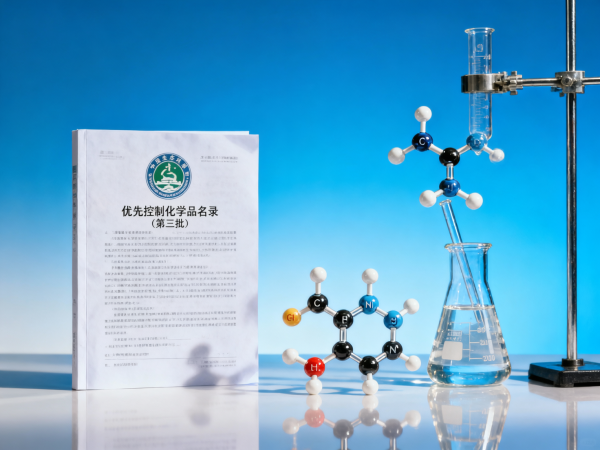
On December 29, 2025, China's Ministry of Ecology and Environment officially released the Priority Controlled Chemicals List (Third Batch), which will come into full effect on March 1, 2026. The list adds 12 high-concern substances, including UV-328, HBCD alternatives, and certain new flame retardants. While primarily a domestic regulatory tool, the list has become a critical reference for the EU's ECHA and the U.S. EPA when assessing risks of Chinese chemical exports. Industries such as chemical manufacturing, international trade, and supply chain management should closely monitor this development, as non-compliance may trigger additional inspections or cargo holds in key markets like the EU, U.S., Australia, and New Zealand.
Event Overview
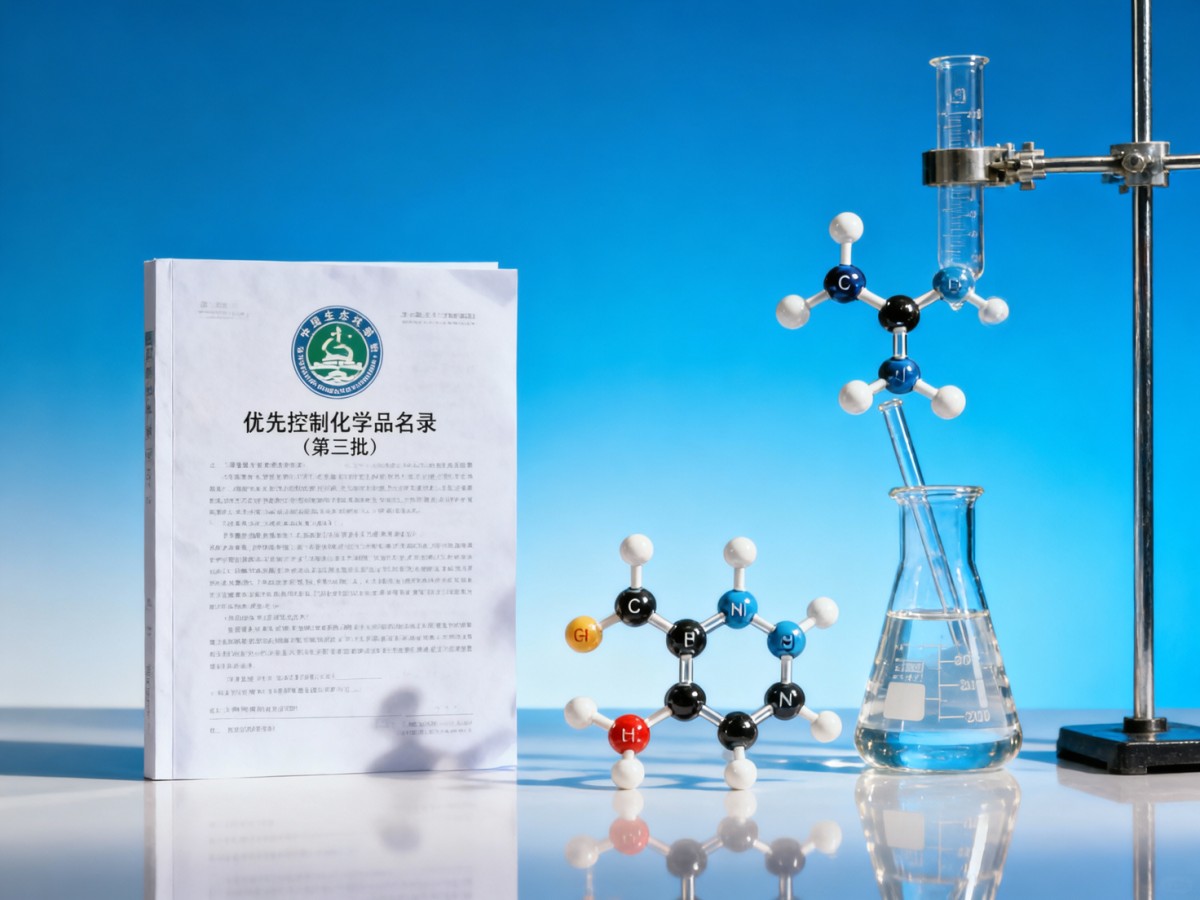
The Priority Controlled Chemicals List (Third Batch) was announced on December 29, 2025, with enforcement starting March 1, 2026. The update includes 12 new substances, such as UV-328 and HBCD alternatives, identified for stricter regulatory oversight. Notably, the list is increasingly used by international regulators (e.g., ECHA, EPA) to evaluate Chinese chemical exports, making it de facto relevant for global trade compliance.
Impacts on Key Industries
1. Chemical Manufacturers and Exporters
Directly affected by substance restrictions, manufacturers must reformulate products containing newly listed chemicals. Exporters face heightened documentation requirements, particularly for SDS Section 15 (Regulatory Information) and HS code updates.
2. Downstream Users (Electronics, Automotive, Construction)
Industries relying on flame retardants or UV stabilizers (e.g., plastics, coatings) may experience supply chain disruptions as alternatives are phased in. Construction firms using HBCD substitutes must verify compliance timelines.
3. Logistics and Compliance Service Providers
Increased demand for regulatory consulting and testing services is expected, especially for SMEs lacking in-house expertise. Freight forwarders must ensure updated documentation to prevent customs delays.
Actionable Steps for Businesses
1. Regulatory Documentation Audit
Review and update Safety Data Sheets (SDS), ensuring Section 15 reflects the latest list. Align HS codes with customs declarations to avoid shipment holds.
2. Supply Chain Communication
Engage upstream suppliers to confirm substitution timelines for listed substances. Downstream customers should be notified of potential formulation changes.
3. Proactive Market Monitoring
Track enforcement patterns in destination markets (EU/U.S./Australia), where authorities may impose additional testing based on the Chinese list.
Industry Observations
Analysis suggests this update signals China’s alignment with global chemical management trends, though domestic enforcement may prioritize education over penalties initially. The list’s growing influence abroad makes it a de facto trade compliance benchmark, requiring exporters to treat it as rigorously as REACH or TSCA.
Conclusion
The third batch update reflects incremental but strategic tightening of China’s chemical controls. Businesses should interpret it as both a regulatory requirement and a market-access prerequisite, particularly for Western markets. Proactive compliance adjustments—rather than reactive measures—will mitigate trade risks in 2026.
Sources
1. Official announcement by China’s Ministry of Ecology and Environment (December 29, 2025)
2. Note: Implementation details for specific substances may evolve; monitor subsequent provincial-level guidelines.
Related Intelligence
- APIs & IntermediatesWood Preservative Prices in the USA: Bulk Costs by Chemical TypeSearching for “wood preservatives price USA”? Compare bulk chemical types, uncover hidden delivery costs, and learn how to choose compliant treatments at the best value.
- APIs & IntermediatesLiaoning Fine Chemicals Institute for New Industrialization Opens in ShenyangLiaoning Fine Chemicals Institute for New Industrialization opens in Shenyang. Explore its plans to link research, pilot-scale development and enterprise services to drive chemical innovation.
- APIs & IntermediatesBuyer-Oriented Category Guides: How to Compare Options Beyond PriceUse buyer oriented category guides to compare quality, lifecycle costs, compliance, and supplier reliability beyond price. Discover how to reduce purchasing risk and choose lasting value.
The Morning Broadsheet
Daily chemical briefings, market shifts, and peer-reviewed summaries delivered to your terminal.
