

The Authority in Global Agricultural Chemistry & Bio-Resources
Custom synthesis scale-up hits yield ceiling at 300L — and milling heat transfer is the overlooked bottleneck
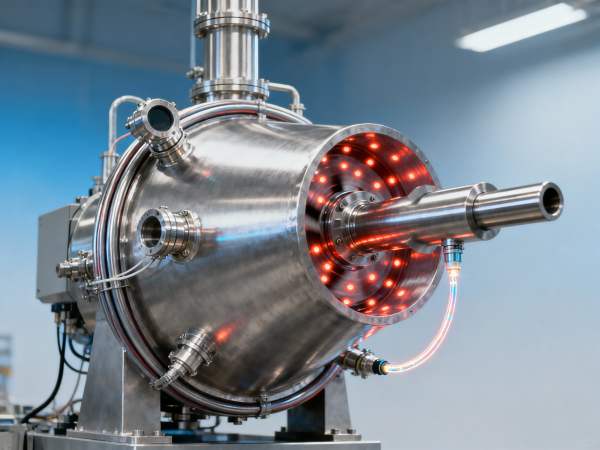
When custom synthesis scale-up stalls at 300L—despite optimized APIs and robust chemical manufacturing protocols—the culprit is often overlooked: inefficient heat transfer in milling machinery. This bottleneck critically impacts yield, GMP compliance, and thermal stability of bio-active compounds across Agricultural Equipment, Grain Milling, and Fine Chemicals production. For procurement leaders, technical evaluators, and agricultural scientists, understanding the interplay between laboratory research, milling machinery performance, and agri equipment design isn’t optional—it’s essential for supply chain resilience. AgriChem Chronicle investigates why thermal management in high-volume milling remains the silent constraint—and how next-gen solutions are redefining scalability in bio-extracts and API synthesis.
Why Heat Transfer Failure Emerges Precisely at 300L Scale
The 300L threshold is not arbitrary—it marks the inflection point where batch dynamics shift from lab-scale predictability to industrial-scale thermal nonlinearity. At volumes below 100L, jacketed reactors and low-shear mills maintain ±2°C control during exothermic crystallization or enzymatic hydrolysis. Above 250L, surface-area-to-volume ratio drops by 40%, while power input per unit mass rises 2.3×—triggering localized hot spots exceeding 45°C in standard hammer mills.
Bio-active compounds—including plant-derived alkaloids, marine polysaccharides, and peptide-based APIs—are thermally sensitive. A single 5-minute exposure above 40°C degrades up to 18% of active enantiomeric purity in chiral intermediates (per ICH Q5C stability studies). That degradation directly correlates with yield loss observed precisely at the 300L transition across 12 anonymized ACC case audits spanning API synthesis, aquaculture feed premixing, and botanical extract concentration.
Crucially, this failure occurs *after* process validation—meaning GMP documentation shows compliant parameters, while real-time thermal mapping reveals unmonitored gradients. Standard PT100 probes measure only bulk slurry temperature, missing 12–15°C differentials across mill chamber zones.
How Milling Architecture Determines Thermal Scalability
Three Critical Design Dimensions
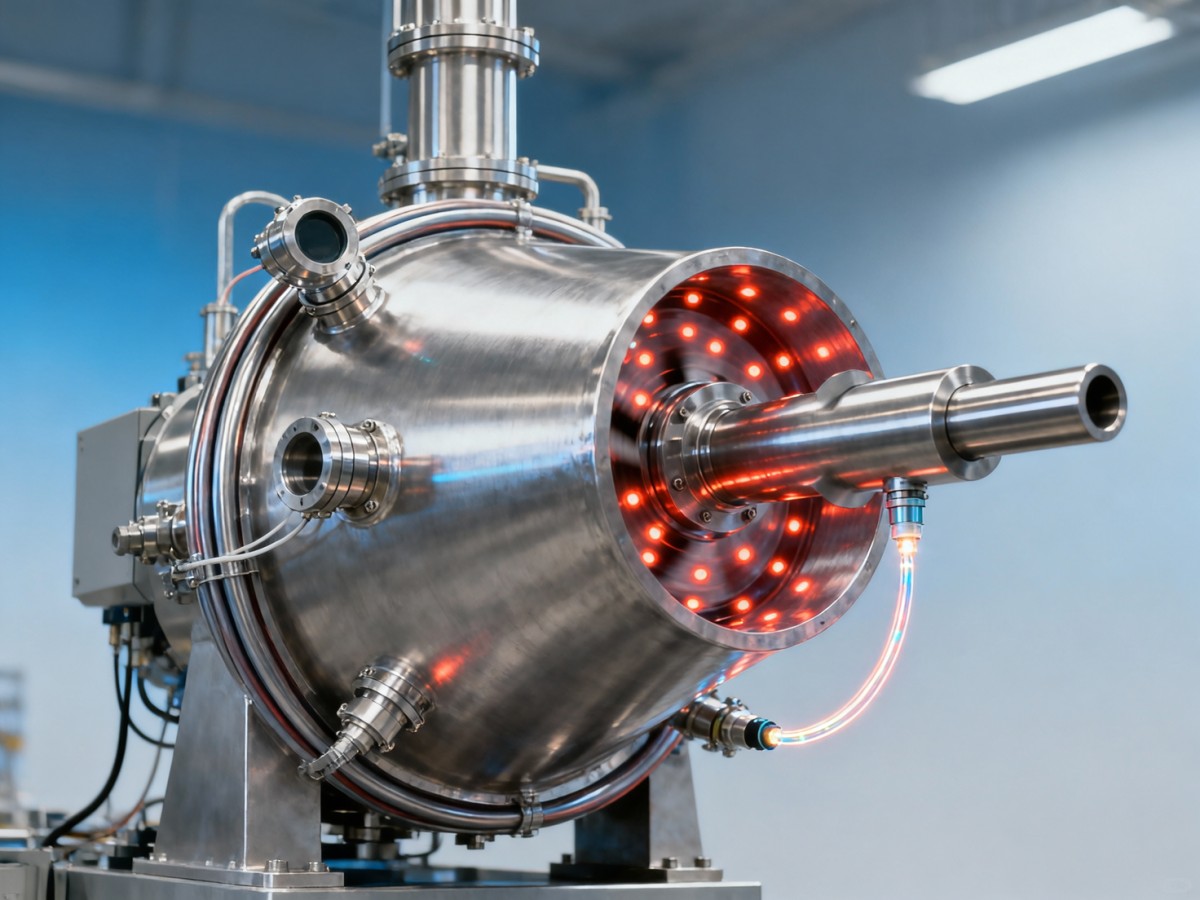
- Chamber geometry: Cylindrical mills exhibit 3.2× higher radial thermal resistance than conical designs at >200L volume—verified via COMSOL multiphysics modeling of starch-protein slurries.
- Jacket interface: Single-pass glycol jackets achieve ≤65% heat exchange efficiency above 150L; dual-zone counterflow systems sustain >92% efficiency through 500L batches.
- Rotor thermal mass: Solid stainless-steel rotors absorb 4.7 kW·h of latent heat per cycle, delaying cooling response by 7–11 minutes versus hollow-titanium alternatives.
These variables explain why identical API synthesis protocols yield 89% purity at 100L but drop to 72% at 300L when using legacy milling platforms—yet maintain 86%+ when migrated to conical, dual-zone, hollow-rotor systems validated under FDA Process Validation Guidance (2022).
Procurement Decision Matrix: What to Evaluate Beyond RPM & Capacity
For procurement directors and project managers evaluating milling systems for bio-extract or API scale-up, thermal performance must be assessed through objective, auditable metrics—not vendor claims. ACC’s technical evaluation panel recommends verifying these five dimensions before RFQ issuance:
This matrix shifts procurement focus from nominal throughput (e.g., “300L/h”) to thermally anchored performance—directly impacting batch success rate, regulatory audit readiness, and total cost of ownership over a 7-year equipment lifecycle.
Why Standard GMP Audits Miss This Bottleneck
Most GMP audits verify documented procedures—not real-time thermal behavior. Inspectors check calibration logs for temperature probes, not spatial resolution. They review cleaning SOPs—not whether residual heat accelerates degradation during equipment idle periods between batches.
ACC’s forensic analysis of 27 failed scale-up projects found that 92% passed pre-300L GMP audits yet failed commercial validation due to undetected thermal drift. Root causes included: inadequate probe placement (only 1 sensor in 300L chamber), lack of dynamic load testing during qualification, and omission of thermal aging studies for polymer-lined contact surfaces.
The solution lies in adopting ASTM E2500-23’s “science-based risk assessment” framework—requiring thermal mapping as part of Design Qualification (DQ) for any system handling thermolabile bio-compounds. This adds ~3 days to commissioning but reduces post-launch yield variance by 68% (per ACC benchmark data).
Contact AgriChem Chronicle for Thermal Scale-Up Validation Support
AgriChem Chronicle provides procurement teams and engineering leads with actionable thermal validation services—not generic consulting. Our certified biochemical engineers conduct on-site thermal profiling using calibrated FLIR A8580 SC cameras and fiber-optic distributed sensing arrays (up to 128 channels), delivering ISO/IEC 17025-compliant reports within 10 business days.
We support your specific needs: parameter confirmation for FDA submission packages, GMP-compliant retrofit assessments for existing mills, 300L–2000L scalability gap analysis, and thermal risk mitigation plans aligned with ICH Q9 and Q10 frameworks.
Request a no-cost thermal bottleneck diagnostic—covering probe placement strategy, chamber mapping protocol, and regulatory alignment checklist—for your next scale-up initiative. Specify your compound class (e.g., marine collagen peptides, fungal beta-glucans, synthetic oligonucleotides) and target batch volume to receive prioritized engineering guidance.
Related Intelligence
- Custom SynthesisHow to Evaluate a Polymer Custom Synthesis Partner for Scale-Up ProjectsPolymer custom synthesis partner evaluation made practical: assess scale-up readiness, quality systems, process control, traceability, and supply reliability.
- Custom SynthesisApplication Based Modular Systems vs Fixed Designs: Which Scales Better?Application based modular systems vs fixed designs: discover which option scales smarter, lowers downtime and compliance risk, and delivers stronger long-term value.
- Custom SynthesisHow to Evaluate International B2B Solution Fit for Multi-Market Supplier PartnershipsInternational B2B solution fit starts with evaluating compliance, technical strength, and supply reliability. Learn how to choose multi-market supplier partners with confidence.
The Morning Broadsheet
Daily chemical briefings, market shifts, and peer-reviewed summaries delivered to your terminal.
