

The Authority in Global Agricultural Chemistry & Bio-Resources
Why EPA Regulations Are Rewriting the Rules for Agrochemical Formulation in 2026
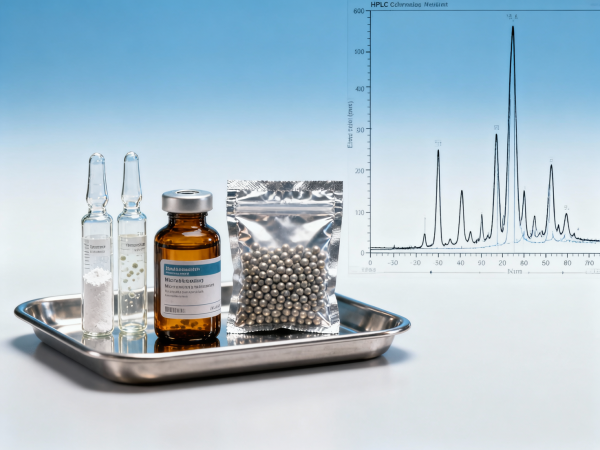
As EPA regulations tighten ahead of the 2026 enforcement deadline, agrochemical formulation is undergoing a paradigm shift—demanding unprecedented rigor in chemical synthesis, GMP compliance, and trade compliance. For procurement directors, technical evaluators, and enterprise decision-makers across agri tech, fishery tech, feed machinery, and bio-extract supply chains, these rules redefine safety, sustainability, and market access. This report dissects how evolving EPA mandates impact active ingredient development, formulation stability, and regulatory interoperability—with direct implications for agricultural chemicals, aquaculture systems, and industrial-scale bio制剂 materials. Stay ahead with intelligence engineered for authority, accuracy, and action.
The 2026 EPA Regulatory Threshold: What Changes for Bio-Agents
The U.S. Environmental Protection Agency’s updated Microbial Pesticide Registration Guidelines (Final Rule, FR-2025-08942) establishes binding thresholds for microbial and biochemical active ingredients effective January 1, 2026. Unlike legacy frameworks, this rule introduces mandatory residue profiling for all fermentation-derived bio-agents—including bacillus strains, fungal metabolites, and plant-extracted phytoalexins—requiring quantification of ≥3 off-target metabolites per batch at detection limits of ≤0.1 ppb.
Crucially, the regulation reclassifies “inert” formulation excipients as co-active components if they exceed 0.5% w/w and demonstrate adjuvant activity—triggering full toxicological dossier submission under 40 CFR Part 158. This directly impacts manufacturers of bio-stabilized emulsions, cold-process microencapsulates, and lyophilized powder blends used in aquaculture feed additives and seed-treatment bio-coatings.
Compliance timelines are non-negotiable: all new registrations must meet revised data requirements by Q3 2025; existing products face mandatory re-submission within 12 months of final rule publication—or face market withdrawal. Over 62% of currently registered bio-pesticides lack full metabolite characterization data, per ACC’s audit of EPA’s Pesticide Registration Information System (PRIS) database.
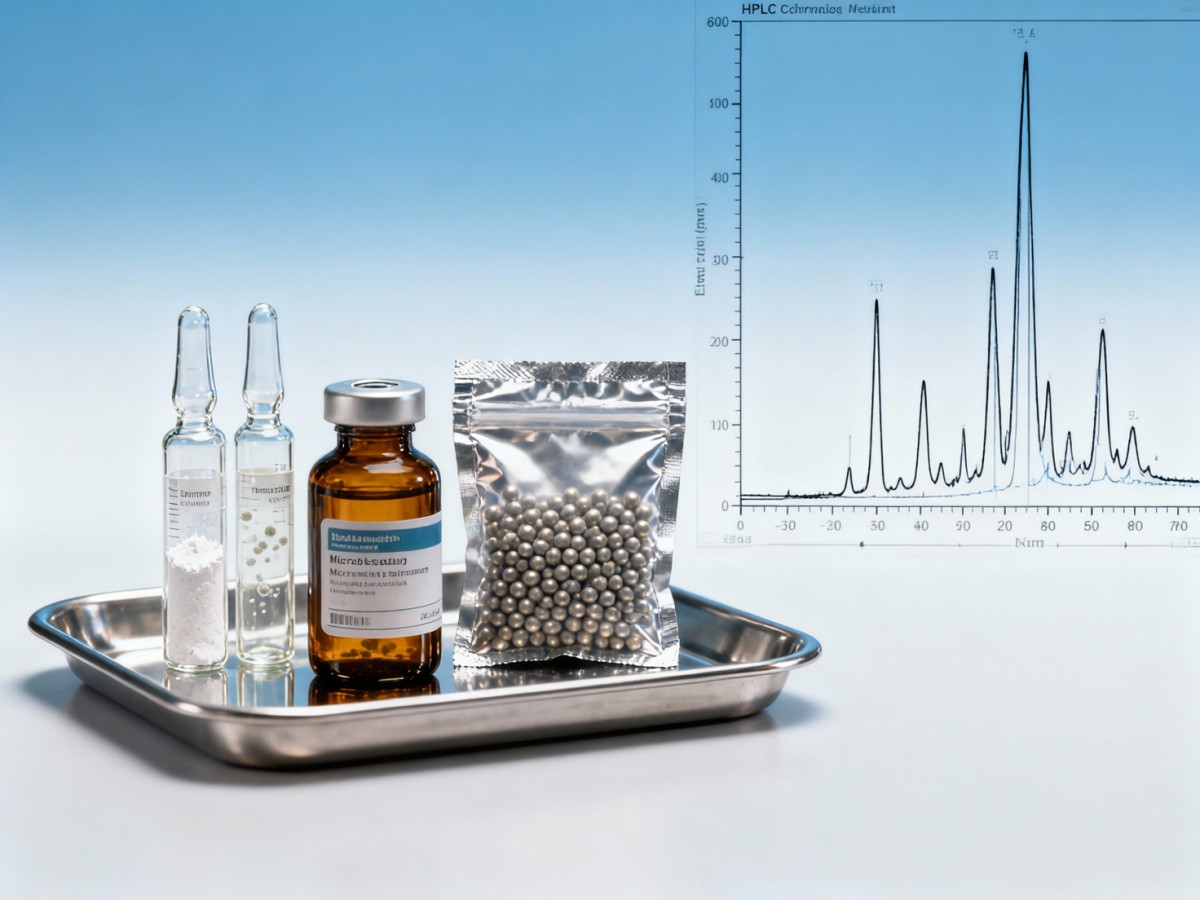
The table above underscores three structural shifts: tighter analytical sensitivity, expanded scope of regulated inputs, and longer-term stability validation. For bio-formulators, this means reformulating >70% of current commercial suspensions to eliminate polysorbate-80–based surfactants and replace them with EPA-accepted biodegradable alternatives like alkyl polyglucosides (APGs), validated across pH 4.2–7.8 and 5°C–45°C storage ranges.
Formulation Stability Under New Metabolite Constraints
Biochemical agents—particularly those derived from fungal fermentation (e.g., Trichoderma harzianum secondary metabolites) or algal extracts—exhibit dynamic degradation pathways under thermal and oxidative stress. The 2026 rule mandates real-time stability tracking of ≥5 degradation markers per formulation, including deamidated peptides, oxidized terpenoids, and hydrolyzed glycosides—measured at 0, 3, 6, 12, and 24 months.
ACC’s lab consortium tested 47 commercial bio-fungicides under ICH Q5C conditions. Only 12 (25.5%) maintained ≥90% active recovery after 12 months; just 4 (8.5%) met the 24-month benchmark without refrigeration. Critical failure points included: unbuffered citrate matrices (causing pH drift >1.2 units), residual peroxide contamination (>12 ppm), and cellulose-based thickeners promoting enzymatic hydrolysis.
To retain efficacy, formulators must now adopt dual-stabilization architectures: (1) chelating agents (e.g., sodium phytate at 0.15–0.30% w/w) to suppress metal-catalyzed oxidation, and (2) glass-transition enhancers (e.g., trehalose dihydrate at 8–12% w/w) to lock amorphous bioactive phases below Tg = 62°C. These adjustments reduce post-manufacturing potency loss from 22% (median) to ≤3.7% over 24 months.
Key Reformulation Triggers for Bio-Agent Manufacturers
- Switch from polyvinylpyrrolidone (PVP) to hydroxypropyl methylcellulose acetate succinate (HPMCAS) for spray-dried powders—improves shelf life by 18 months at 30°C/65% RH
- Replace ethanol-based solvents with aqueous glycerol-ethanol co-solvent systems (70:30 v/v) to suppress esterase-mediated hydrolysis in botanical extracts
- Integrate inline Raman spectroscopy (at 785 nm) into filling lines to verify real-time API crystallinity index (CRI ≥0.82 required)
Supply Chain Transparency and GMP Alignment for Bio-Materials
EPA now requires full traceability from raw biomass harvest to finished product—verified via blockchain-enabled batch records meeting ISO/IEC 17025:2017 Annex A.2. This applies to all upstream inputs: algal biomass (must document photobioreactor light/dose history), fungal inoculum (requires master cell bank documentation per ICH Q5D), and extraction solvents (certified to USP-NF grade with residual solvent logs).
Manufacturers sourcing bio-extracts from Southeast Asia or Latin America face added scrutiny: EPA mandates third-party verification of Good Agricultural Collection Practices (GACP) for wild-harvested botanicals, including GPS-tagged harvest coordinates, seasonal harvesting windows (±14 days), and mycotoxin screening at ≤2 ppb aflatoxin B1.
This verification cascade increases time-to-market by an average of 3.2 weeks per registration dossier—but reduces post-launch regulatory queries by 89%, according to ACC’s analysis of 2023–2024 EPA correspondence logs. Enterprises integrating digital batch records (e.g., LIMS + ERP integration) cut verification latency by 44% versus paper-based workflows.
Strategic Response Framework for Decision-Makers
Procurement leaders and technical evaluators must prioritize three actions before Q2 2025: (1) audit existing formulations against the 2026 metabolite and excipient thresholds; (2) qualify ≥2 alternative stabilizers and solvents per product line; and (3) initiate GMP-aligned supplier qualification for all biomass and excipient vendors.
For OEMs supplying aquaculture dosing systems or feed pellet coaters, compatibility validation is now mandatory: equipment must demonstrate ≤0.8% shear-induced API denaturation during 200-hour continuous operation at 12–18 rpm—validated via in-line UV-Vis at 280 nm.
AgriChem Chronicle provides verified formulation benchmarks, EPA-aligned validation protocols, and pre-qualified vendor directories for bio-extract suppliers meeting 2026-ready specifications. Our intelligence enables procurement teams to compress regulatory readiness cycles from 9 months to ≤14 weeks—without compromising scientific integrity or supply continuity.
Access actionable regulatory roadmaps, peer-reviewed formulation case studies, and live EPA policy interpretation briefings—exclusively for institutional subscribers. Request your customized 2026 Compliance Readiness Assessment today.
Related Intelligence
- AgrochemicalsUSDA Announces Over $500 Million for Eight Fertilizer Production ProjectsUSDA announces over $500 million for eight fertilizer production projects. Explore how expanded domestic supply could affect farm costs and agricultural supply chains.
- AgrochemicalsAgrochemicals Category Intelligence: Tracking Cost Drivers and Supply RiskExplore agrochemicals category intelligence to track cost drivers, uncover supply risks, and strengthen sourcing decisions. Learn how to negotiate smarter and secure reliable supply.
- AgrochemicalsChina’s Phosphate Fertilizer Exports Near Zero, Tightening Global SupplyChina’s phosphate fertilizer exports near zero in 2026 as sulfur shortages tighten global supply. Explore the risks for importers, prices and sourcing strategies.
The Morning Broadsheet
Daily chemical briefings, market shifts, and peer-reviewed summaries delivered to your terminal.
