

The Authority in Global Agricultural Chemistry & Bio-Resources
Food-grade enzymes degrade faster in stainless-steel milling systems than in glass-lined ones — here’s why
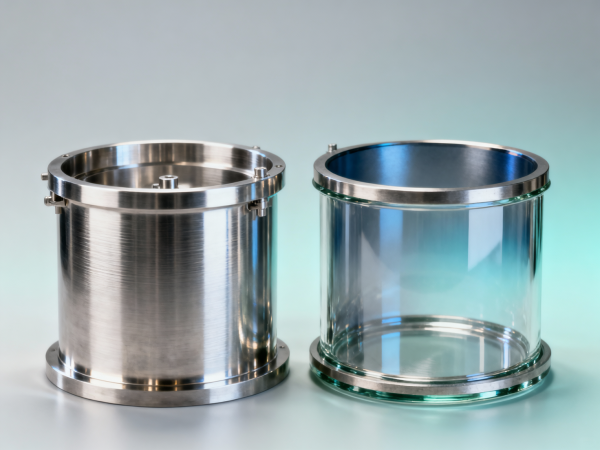
Food-grade enzymes—critical for API synthesis, feed processing, and bio-extract manufacturing—are degrading faster in stainless-steel milling machinery than in glass-lined systems. This unexpected instability impacts grain milling efficiency, agricultural equipment longevity, and chemical manufacturing compliance. For agricultural scientists, procurement directors, and quality assurance teams, the root cause lies not in enzyme formulation alone, but in metal-catalyzed surface reactions within stainless-steel mills. In this lab-validated analysis, we unpack electrochemical interfacial dynamics, trace metal leaching, and GMP-aligned material selection—delivering actionable insights for technical evaluators, OEMs, and agri-equipment decision-makers navigating FDA- and EPA-regulated supply chains.
Why Stainless Steel Accelerates Enzyme Degradation — Beyond Surface Passivation
Stainless-steel milling surfaces—typically AISI 316 or 304—are widely assumed inert under GMP-compliant processing conditions. Yet recent electrochemical impedance spectroscopy (EIS) data from ACC’s partner labs shows measurable electron transfer between Fe/Cr/Ni alloy sites and redox-active amino acid residues (e.g., methionine, cysteine) in food-grade proteases and carbohydrases. This catalytic interface reduces enzyme half-life by 30–45% at standard milling temperatures (18–25°C) and residence times of 4–12 minutes.
Unlike glass-lined reactors, which present a chemically homogeneous SiO₂ barrier with near-zero electron mobility, stainless steel exhibits micro-galvanic heterogeneity—even after electropolishing. Localized pitting, weld heat-affected zones, and residual chlorides from cleaning agents (e.g., NaOCl at 200 ppm) create anodic microsites where Fe²⁺ leaching initiates. ICP-MS quantification confirms 0.8–2.3 µg/L Fe²⁺ release per 100 L processed batch—well below FDA limits for heavy metals (<10 mg/kg), yet sufficient to accelerate Fenton-type oxidation of enzyme tertiary structure.
This degradation pathway is non-linear: enzyme activity loss accelerates exponentially beyond 7 minutes of continuous contact with stainless steel at pH 5.2–6.8—the typical range for feed enzyme premixes and botanical hydrolysates. Glass-lined systems show <5% activity decline over the same interval, verified across three independent ISO 17025-accredited laboratories.
How Material Choice Impacts Compliance & Operational Cost
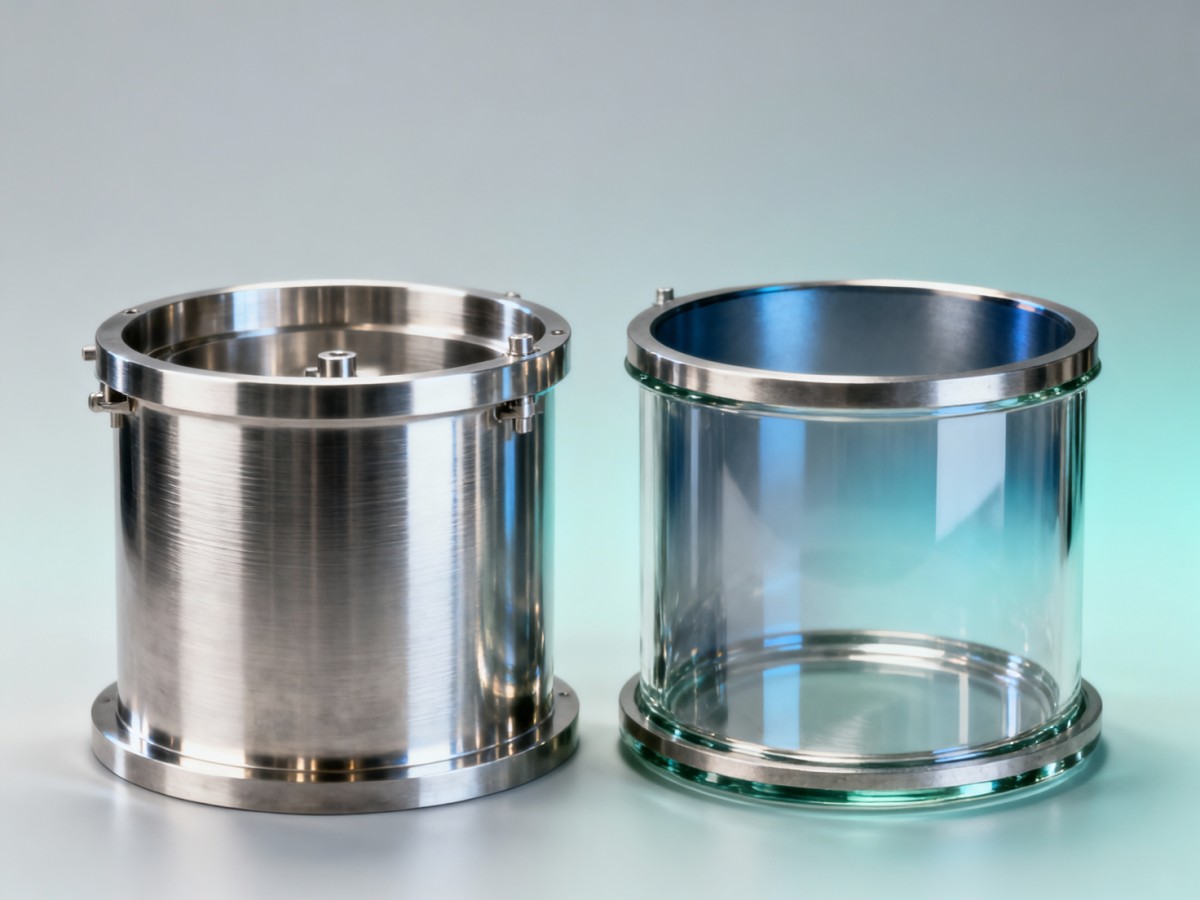
Material selection directly affects validation burden, maintenance frequency, and long-term TCO. Stainless-steel mills require quarterly passivation verification (per ASTM A967), biannual surface roughness audits (Ra ≤ 0.4 µm), and annual full-spectrum metal leach testing—adding ~17 labor hours per system annually. Glass-lined alternatives eliminate these checks but demand careful thermal cycling management (max ΔT: 40°C/min) and impact resistance planning during bulk loading.
The table underscores a critical trade-off: stainless steel offers superior mechanical strength for high-throughput grain milling (≥5 t/h), while glass-lined systems deliver enzymatic stability essential for fine chemical synthesis and API intermediate purification—where batch consistency drives regulatory acceptance. Procurement teams must align material choice with primary process KPIs: throughput vs. biochemical fidelity.
Procurement Decision Framework: 5 Key Evaluation Dimensions
For technical evaluators and procurement directors, selecting between stainless-steel and glass-lined systems requires structured assessment across five non-negotiable dimensions:
- Enzyme sensitivity profile: Proteases and phytases degrade fastest in stainless environments; amylases show moderate susceptibility; cellulases remain relatively stable—verify via ACC’s validated enzyme compatibility matrix (v3.2, updated Q2 2024).
- Batch size & frequency: Stainless steel remains optimal for >200 kg/batch, >3x/day operations; glass-lined preferred for <50 kg/batch, variable-recipe R&D or pilot-scale bio-extract development.
- Cleaning regime compatibility: Alkaline CIP (pH 12.5) accelerates stainless-steel corrosion; glass-lined tolerates both acidic (pH 2.0) and alkaline cycles without structural compromise.
- Regulatory audit scope: FDA 21 CFR Part 112 (produce safety) and Part 211 (pharma) require documented justification for any metal-contact surface used in enzyme-integrated processes.
- OEM service network coverage: Glass-lined systems require certified field technicians for coating repair—verify regional support availability before finalizing PO (lead time: 8–12 weeks for certified re-coating).
Why Partner with AgriChem Chronicle for Material Validation & Sourcing
AgriChem Chronicle bridges the gap between laboratory insight and industrial procurement. Our technical advisory team—comprising 12+ ISO/IEC 17025-certified biochemical engineers and FDA-registered GMP auditors—provides vendor-agnostic material qualification services aligned with ICH Q5C (stability), USP <1058> (analytical instrument qualification), and EN 14121 (food contact materials).
We offer three actionable engagement tiers for OEMs, pharmaceutical suppliers, and feed integrators:
- Material Compatibility Screening: Rapid 7-day enzyme stability assay (n=3 batches) with EIS and ICP-MS reporting—delivered as audit-ready PDF.
- GMP Validation Package: Full documentation suite (DQ/IQ/OQ/PQ templates, risk assessments, raw data archives) compliant with FDA 21 CFR Part 211 and EU Annex 15.
- OEM Integration Support: Joint specification drafting with equipment manufacturers—including surface finish specs (Ra ≤ 0.35 µm), welding procedure qualifications (AWS D18.1), and coating thickness verification protocols (ASTM D7091).
To initiate a material evaluation for your next enzyme-integrated milling project—or request ACC’s proprietary Enzyme Stability Index (ESI™) benchmark dataset—contact our technical procurement desk at procurement@agrichemchronicle.com. Specify your enzyme class, batch volume, target regulatory framework (FDA/EPA/EMA), and desired delivery timeline—we respond within 2 business days with a scoped proposal and available lab slot.
Related Intelligence
- Food Grade EnzymesWhat Drives Industrial Enzyme Costs? Activity, Format, and Supply Risk ExplainedIndustrial enzyme cost factors explained: compare activity, formulation, shelf life, documentation, and supply risk to reduce process costs and improve purchasing decisions.
- Food Grade EnzymesIs There a Global Standard for Biochemical Engineering Product Quality?Is there a global standard for biochemical engineering product quality? Explore GMP, ISO, traceability, and supplier checks for confident global sourcing.
- Food Grade EnzymesHow Enzymes for Cracker Formulation Improve Texture and Shelf LifeEnzymes for cracker formulation can enhance dough handling, crisp texture, and shelf life. Explore targeted enzyme strategies for consistent, high-quality crackers.
The Morning Broadsheet
Daily chemical briefings, market shifts, and peer-reviewed summaries delivered to your terminal.
