

The Authority in Global Agricultural Chemistry & Bio-Resources
Japan's Yellowtail Farmers Shift From Raw Fish to Pelleted Feed
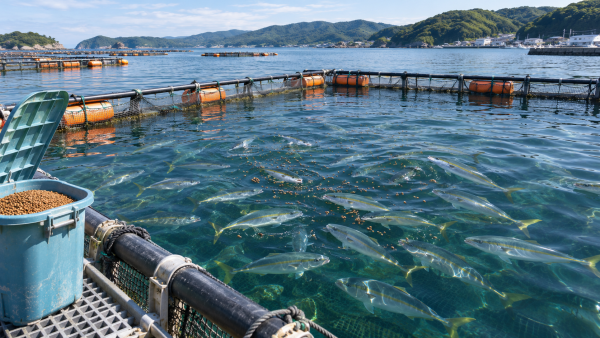
Japanese yellowtail producers are gradually moving from raw fish feed to pelleted feed, according to a SeafoodSource report. The timing of the development is not specified in the supplied information. No policy, regulation or formal standard is identified; the change is better understood as a shift in feeding practice with possible implications for feed purchasing, product specifications and quality assurance. It deserves attention because industry participants associate raw fish feed with early spoilage and inconsistent flavor, while viewing pellets as a route to more consistent quality.
Why producers are reconsidering raw fish feed
SeafoodSource reports that Japanese yellowtail producers are gradually abandoning the traditional practice of feeding raw fish and moving toward pelleted feed. Industry participants cited in the supplied summary say raw fish feed is prone to early spoilage and inconsistent flavor. They also say pelleted feed can provide more consistent quality.
The supplied information describes the change as part of an upgrade in aquaculture feed technology. It does not specify when the shift began or how far it has progressed.
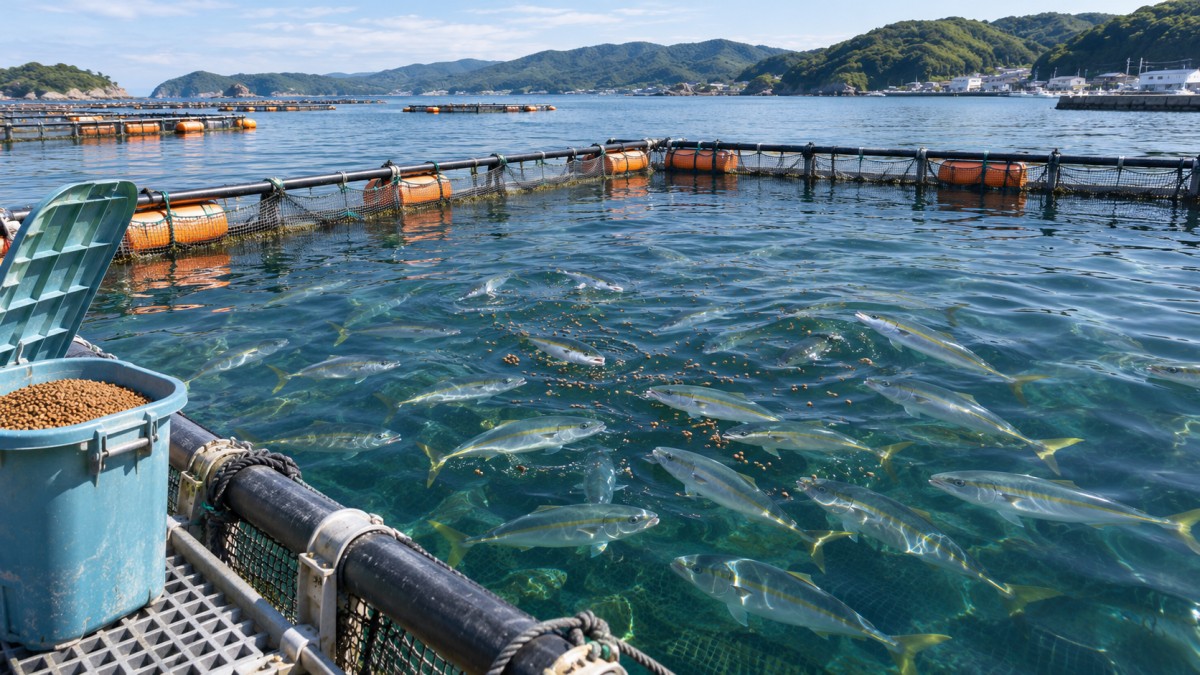
Feed choices may reshape purchasing and quality discussions
Farmers face a different feed decision
From a producer's perspective, the reported shift could change how feed is selected and how expectations for finished yellowtail are discussed. A farm considering pellets may need to compare the intended quality outcome with the feed it currently uses. The reported advantages provide a reason to examine consistency, but the supplied information does not establish how every pelleted feed performs or whether every producer will obtain the same result.
Analysis suggests that the practical decision may extend beyond choosing one feed format. Producers could also consider whether the feed can be supplied consistently and whether the description of its expected performance is clear enough to support purchasing decisions. These are commercial considerations, not requirements established by the report.
Feed suppliers may encounter closer specification checks
Suppliers offering pelleted feed could be asked to explain how their products fit a yellowtail producer's quality objectives. Buyers may seek clearer product descriptions and supporting information when comparing feed options. Conversely, suppliers involved in raw fish feed may need to understand how individual customers are reassessing their purchasing needs.
The supplied summary does not identify feed suppliers, ingredients, technical specifications or purchasing terms. It would therefore be premature to conclude that a particular product or supplier has gained an advantage. The immediate signal is that the basis for discussions between farms and feed suppliers may be changing.
Buyers may revisit how quality is described
Processors, distributors and buyers handling yellowtail may have an interest in the reported connection between feeding method and consistent quality. If a buyer considers feed type relevant to its purchasing specification, it could discuss with the producer what information is available and how quality expectations will be assessed at delivery.
That possibility should not be confused with a new labeling, certification or disclosure requirement. None is identified in the supplied information. Nor does the report summary establish that all customers will request feed information. Any change to documentation or acceptance criteria would need to be confirmed with the parties involved.
Turning a feed change into a workable purchase decision
Define the quality outcome before selecting a feed
For producers evaluating pellets, a useful first step may be to describe the quality characteristics they want to make more consistent and agree on how those characteristics will be assessed. The concern identified in the supplied summary is specific: raw fish feed is associated by industry participants with early spoilage and inconsistent flavor. A purchasing review can therefore focus on those stated concerns rather than treating a change in feed format as proof of an improvement on its own.
Analysis suggests that producers and buyers could compare observations over an appropriate period and document how the comparison was made. The supplied information does not prescribe a testing method or a threshold for acceptable results, so any assessment method would need to be selected and agreed by the relevant parties.
Clarify what feed suppliers can substantiate
Before changing purchasing arrangements, a producer may wish to request the available product information for a proposed pelleted feed and discuss how the supplier supports claims about consistent quality. Questions could cover the product description, the intended use communicated by the supplier and the information available to help compare it with the current feed.
Those inquiries are suggested due diligence, not newly imposed documentation rules. The input does not identify a certification scheme, mandatory test report or approved feed specification. If a supplier or customer refers to such a requirement, the parties would need to verify its scope and applicability independently.
Check supply and delivery arrangements
A gradual transition may require attention to the timing and continuity of feed purchases. A farm considering a change could discuss availability and delivery arrangements with its supplier before relying on a new feed for planned operations. It may also be useful to clarify what happens if the agreed product is unavailable or if the parties want to modify the order.
The supplied report summary does not say that shortages, delays or contract disputes have occurred. These are planning questions arising from a potential change in purchasing arrangements, not documented consequences of the reported shift.
Keep customer specifications aligned
Where a buyer has product specifications or quality acceptance procedures, the producer and buyer may want to review whether a change in feed affects any agreed description, supporting information or delivery discussion. If feed type is not addressed, the parties can decide whether it is relevant to their transaction. If it is addressed, they can check the existing agreement before making assumptions about permissible changes.
This review may help prevent a difference in expectations from becoming a delivery issue. It does not imply that feed disclosure is mandatory or that existing contracts contain such provisions. The available information provides no details of individual customer requirements.
A commercial signal, not a confirmed regulatory change
The reported move is best read as evidence of a developing production practice, rather than the implementation of a new rule. The supplied material identifies no government measure, formal standard, certification decision or trade restriction requiring yellowtail producers to use pelleted feed. It also does not say that raw fish feeding has been prohibited or that the transition is complete.
From an industry perspective, however, repeated commercial choices can influence the expectations that suppliers and buyers bring to a transaction. If more participants begin to ask for consistent quality or information about feeding practices, those expectations could eventually appear in private purchasing specifications. That is a possibility to monitor, not an outcome established by the report.
What deserves closer attention is whether further reporting clarifies the pace and extent of adoption, how producers assess quality, and whether customers change their specifications. Any future claim that the shift has become a regulatory or certification requirement would need separate confirmation from the relevant source. Until then, companies should distinguish a reported preference for a feed technology from an obligation applicable to a particular product or transaction.
What the gradual shift means for yellowtail businesses
The stated appeal of pelleted feed is more consistent quality, while concerns about raw fish feed include early spoilage and inconsistent flavor. Those points give producers and their commercial partners a specific basis for reviewing feed options and quality expectations. They do not establish a universal performance result, a fixed transition schedule or a new market-access condition.
For now, the proportionate response is to treat the development as a commercial and technical signal: assess relevant feed options, clarify any customer expectations and verify claims before changing specifications or making commitments. The significance of the shift will become clearer as more information becomes available about producer experience and market feedback.
Basis for this report and points to verify
This article is based on the user-provided news title, event timing and event summary, which attribute the underlying report to SeafoodSource. The supplied information does not specify the event date and does not provide a specific official source link; further verification remains necessary. Relevant material to monitor may include additional authoritative media reporting, industry feedback and, if applicable, official announcements, standards documents or certification guidance.
Follow-up checks could focus on producer implementation, buyer specifications, certification interpretations and any relevant trade execution. These are areas for continued observation, not indications that new measures or requirements have already been introduced.
Related Intelligence
- Commercial Feed PelletUK Seeks to Strengthen Protein Supply Chain Through More Domestic PulsesUK domestic pulses could strengthen the protein supply chain and reduce reliance on imported soybeans. Explore opportunities for food and feed businesses.
- Commercial Feed PelletJapan's Yellowtail Farmers Shift From Raw Fish to Pelleted FeedJapan's yellowtail farmers are shifting to pelleted feed. Explore what this trend could mean for seafood quality, feed purchasing and buyer expectations.
- Commercial Feed PelletChoosing Feed Pellet Systems for Fish Farms: Capacity and Pellet RequirementsCompare feed pellet systems for fish farms by capacity, pellet quality and processing needs. Discover how to choose a reliable, efficient production line.
The Morning Broadsheet
Daily chemical briefings, market shifts, and peer-reviewed summaries delivered to your terminal.