

The Authority in Global Agricultural Chemistry & Bio-Resources
UK Seeks to Strengthen Protein Supply Chain Through More Domestic Pulses
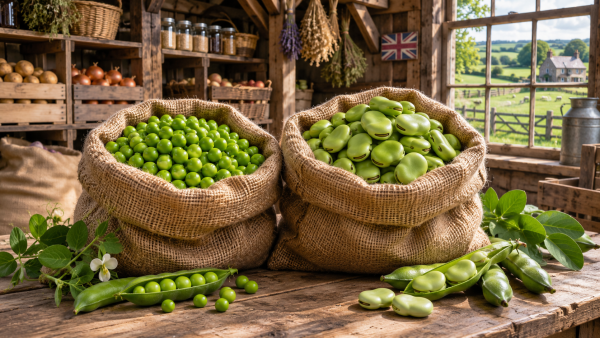
The United Kingdom is seeking to increase domestic production of pulses as part of an effort to strengthen its protein supply chain, although the event date is not specified in the information provided. Policymakers, researchers and food businesses are working together on an approach intended to reduce dependence on imported soybeans. For growers, food manufacturers, feed buyers and suppliers, the development is worth watching as a policy and supply-chain signal; the information provided does not establish a new binding rule or its implementation details.
Domestic pulses at the centre of the supply effort
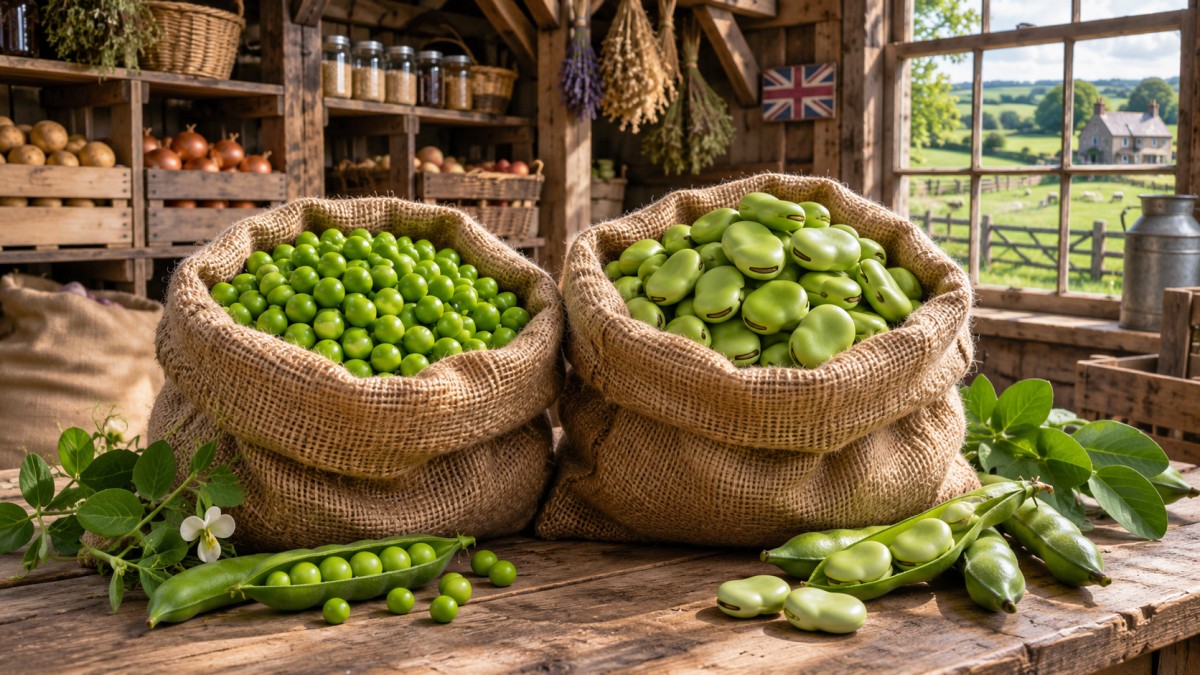
The initiative covers crops including peas, faba beans, chickpeas and lentils. The stated aim is to build a more resilient protein supply chain by increasing production within the United Kingdom and reducing reliance on imported soybeans.
Policymakers, researchers and food businesses are cooperating on this effort. Growing interest in these crops is also creating opportunities in markets for human food and livestock feed, with the potential to improve domestic self-sufficiency in feed ingredients and support supply-chain stability.
Where a shift in protein sourcing could be felt
Growers and the route from field to buyer
Analysis suggests that growers considering pulses may pay closer attention to the relationship between crop selection and the needs of food and feed buyers. Peas, faba beans, chickpeas and lentils do not necessarily serve the same end uses, so interest in increasing domestic production does not by itself establish demand for every crop or grade. The commercial relevance for a grower may depend on whether a buyer can specify the intended use and agree on the conditions for accepting the harvest.
From a supply-chain perspective, the points to examine include how crops would be collected, stored, assessed and delivered. Parties considering new arrangements could discuss quality specifications, delivery periods and the information needed to identify the crop and its origin. These are practical matters for negotiation and verification, rather than requirements established by the information provided.
Food manufacturers assessing domestic ingredients
For food businesses, the stated interest in pulses for human consumption may open opportunities to evaluate domestic ingredients. Analysis suggests that a manufacturer considering a sourcing change would need to determine whether a particular crop is suitable for its product and whether suppliers can provide material consistently against the agreed specification.
A buyer may therefore wish to review samples, processing needs, traceability information and delivery arrangements before making a substantial procurement commitment. The source material does not identify a new food certification, labelling obligation or product standard. Any applicable requirements would need to be checked separately for the product and transaction concerned.
Feed buyers and protein substitution
The potential to improve domestic feed-ingredient self-sufficiency makes livestock feed another relevant part of the supply chain. Analysis suggests that feed buyers may consider whether locally produced pulses can serve some of their ingredient needs as they review exposure to imported soybeans. A domestic crop, however, should not be assumed to be an immediate or complete substitute for an existing ingredient.
Buyers considering a change could assess the intended feed use, ingredient characteristics, formulation implications and the consistency of supply. They may also need to agree with suppliers on how quality will be checked and how deliveries will be scheduled. The outcome would depend on product suitability and commercial arrangements, neither of which is established in the supplied information.
Traders, processors and supply services
For traders and businesses that handle or process crops, a larger domestic sourcing effort could eventually affect decisions about supplier relationships, storage, handling and delivery. This is a possibility rather than a confirmed change in trade flows. The stated objective is to reduce dependence on imported soybeans; the information provided does not say that imports have already fallen or that a restriction on them has been introduced.
Businesses involved in moving material between growers and customers may find it useful to examine whether contract terms identify the crop, intended use, quality checks and delivery responsibilities clearly. If buyers seek both domestic and imported ingredients, procurement teams could also compare the reliability and suitability of each available supply route without assuming that one source will always be preferable.
Questions to resolve before changing procurement plans
Watch for the form of any policy measures
At this stage, the available information describes an effort involving policymakers, researchers and food businesses, but it does not identify a specific legal instrument, production target, support scheme or implementation timetable. Companies should therefore avoid treating the stated direction as an established mandate. A sensible next step would be to monitor further official statements and verify whether any proposed measures apply to their crops, products or transactions.
If additional details emerge, businesses may need to distinguish between voluntary initiatives, commercial commitments and binding obligations. The timing of any change would matter for planting decisions, sourcing agreements and customer commitments, but no execution schedule is available in the input.
Match crop availability with the intended use
Procurement teams could start by identifying which products might use peas, faba beans, chickpeas or lentils and what characteristics those products require. For food and feed applications alike, an assessment of suitability may need to cover consistency, processing and the ability to meet the buyer's specifications. A crop's inclusion in the initiative does not establish that it is suitable for every formulation.
Before relying on a new source, buyers and suppliers could also discuss expected volumes, delivery windows and what happens if material does not meet the agreed specification. These discussions would help make potential changes reviewable without presuming that production or delivery capacity has already changed.
Review documentation and verification needs
Businesses considering domestic pulses may benefit from checking what information their customers request about origin, crop identity, quality and handling. Where testing, certification or other documentation is relevant to an existing contract or applicable requirement, the parties should verify the precise terms with the appropriate source. No new certificate or testing obligation is identified in the information supplied.
Analysis suggests that clear records could also help buyers compare lots and investigate any discrepancy between an agreed specification and a delivery. The documents needed will depend on the product, customer and transaction; the policy signal alone does not define a universal paperwork package.
Plan for alternatives without assuming immediate replacement
Businesses exposed to imported soybeans could evaluate domestic pulses as one possible sourcing option while checking technical suitability and availability. They might also consider how a change would affect existing contracts, delivery schedules and customer specifications. Such preparation is a commercial choice, not a requirement arising from a rule identified in the input.
For suppliers, the same review could clarify which customers are prepared to assess a new ingredient and what evidence they would need. Early discussions may help both sides identify practical barriers, but they do not guarantee purchases, production growth or a reduction in imports.
A direction of travel with details still to be tested
Editorial analysis suggests that this development is best understood as a policy and industry cooperation signal, not as evidence that a specific new rule has taken effect. The participation of policymakers, researchers and food businesses indicates an effort to connect production with demand, while the available information leaves the form and timing of implementation open.
Further information that could affect business decisions includes any policy measures, their scope and timing, the availability of suitable domestic crops, and feedback from food and feed buyers. Contract specifications and any relevant certification or verification expectations may also become clearer as individual projects or purchasing arrangements develop. None of those details can be inferred as settled from the supplied summary.
Keeping sourcing decisions proportionate to the evidence
The initiative places domestic pulses within a discussion about protein supply resilience and dependence on imported soybeans. Its potential relevance extends from crop production to ingredient purchasing, processing and delivery, but the scale and pace of any commercial effect remain uncertain.
For now, the proportionate response is to monitor verified developments and assess specific sourcing opportunities against product requirements, supply availability and contract terms. That approach recognises the stated direction while leaving room for the evidence and implementation details needed to support individual business decisions.
What the available account establishes
This article is based on the user-provided news title, the event-time field and the event summary. The event time was not specified. No specific official source link was provided in the input, so the underlying details require continued verification.
Relevant material to monitor may include official announcements, regulatory or trade authority information, industry association updates and authoritative reporting. Particular attention should be paid to any policy details, applicable certification interpretations, purchasing or tender documents, trade execution and feedback from businesses involved in production, food and feed supply.
Related Intelligence
- Commercial Feed PelletUK Seeks to Strengthen Protein Supply Chain Through More Domestic PulsesUK domestic pulses could strengthen the protein supply chain and reduce reliance on imported soybeans. Explore opportunities for food and feed businesses.
- Commercial Feed PelletJapan's Yellowtail Farmers Shift From Raw Fish to Pelleted FeedJapan's yellowtail farmers are shifting to pelleted feed. Explore what this trend could mean for seafood quality, feed purchasing and buyer expectations.
- Commercial Feed PelletChoosing Feed Pellet Systems for Fish Farms: Capacity and Pellet RequirementsCompare feed pellet systems for fish farms by capacity, pellet quality and processing needs. Discover how to choose a reliable, efficient production line.
The Morning Broadsheet
Daily chemical briefings, market shifts, and peer-reviewed summaries delivered to your terminal.